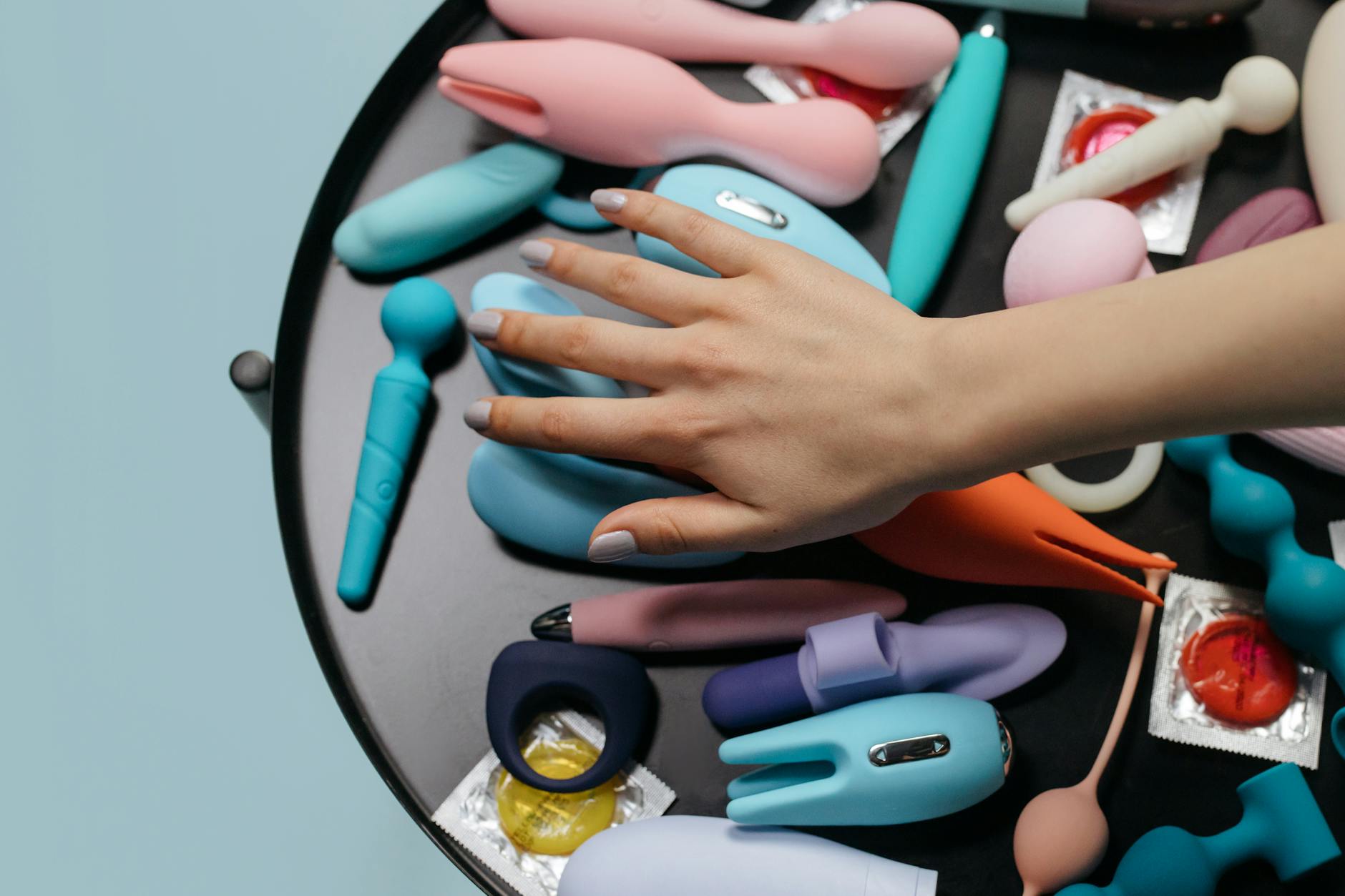
Here's the thing about suction and nervous systems
You bought a lemon vibrator because everyone raves about it. You read the reviews. You got excited. Then you tried it and felt your chest tighten. Not because anything was wrong with the toy. But because suction feels like something is happening to your body that you can't easily undo.
That's the core issue. Traditional vibrators buzz and you can pull away instantly. Suction creates a seal, and your brain reads that as entrapment. If you have anxiety, your nervous system is already on high alert. Add an unfamiliar sensation that feels like a physical lock, and your fight-or-flight kicks in.
I want to separate two things here. The lemon clitoral vibrator itself is not the problem. Your anxiety response to the sensation is not weakness or embarrassment. It's your nervous system doing exactly what it's wired to do when it feels trapped.
Why suction triggers anxiety differently than vibration
Your body has a basic distinction between two types of stimulation. Vibration is localized and escapable. You feel it, your body responds, you remove the device. The control is yours moment to moment.
Suction creates continuous pressure. It doesn't stop unless you pull away or turn it off. For people with anxiety, this distinction matters enormously. Anxiety lives in the fear of being unable to escape. Suction, even gentle suction, can feel like a physical manifestation of that fear.
This is neurobiological, not psychological weakness. Your amygdala (the threat-detection center of your brain) is hypersensitive. When it encounters something novel and pressure-based, it bumps the alert level up. Your heart rate increases. Your muscles tighten. Blood flow can shift away from your genitals and toward your limbs. The suction becomes uncomfortable instead of pleasurable.
The second layer is that many people with anxiety have a harder time staying present in their bodies. Suction demands presence. It's too intense to ignore or disassociate from. That intensity can feel punishing instead of exciting.
The difference between discomfort and harm
First, establish this: discomfort and harm are not the same thing. You can feel uncomfortable with a lemon vibrator and be completely safe. Anxiety creates a sense of danger that often isn't proportional to actual risk.
If you're feeling panic, chest tightness, or an urge to run, that's your nervous system in sympathetic mode (fight or flight). This is temporary and not dangerous. But it does mean you need a different approach than someone without anxiety would use.
Harm would be pain, bleeding, or tissue damage. Those are different conversations and warrant a conversation with your doctor. What we're addressing here is the anxiety response to a new sensation. That's very treatable.
How to ease into lemon suction when anxiety shows up
Start with zero insertion. Many beginners assume they need to fully use the device the first time. You don't. Place the lemon vibrator on the outside of your body, fully clothed or in underwear, before you try anything closer to skin. Feel the suction through fabric. This removes the intimacy pressure and gives your nervous system time to realize the sensation isn't dangerous.
Use the lowest setting. The Lemon Clitoral Vibrator has multiple intensities. Start at pattern one. The goal is to let your body get used to suction at a barely-perceptible level. You're not trying to orgasm. You're training your nervous system to recognize suction as safe.
Set a timer for two minutes. This is key. Knowing there's an endpoint makes suction feel less like entrapment. Your brain knows it will end soon. Use it for exactly two minutes, then stop. Repeat this for three to four sessions before you even consider longer sessions.
Have control over the power button. Don't let anyone else hold the device. Don't hand control to a partner (even if you trust them). Anxiety hates surrendering control. Holding the power button yourself is the reassurance your nervous system needs.
Pair it with a grounding technique. While using the device, consciously press your feet into the floor. Count backward from ten. Name five things you can see. These aren't silly. Grounding techniques literally bring your brain out of threat mode and back into sensory awareness. They're not a mental trick. They're neuroscience.
The role of breath and pacing
When anxiety hits, breathing becomes shallow. Your body interprets that as confirmation that something's wrong. You can reverse this.
Before you even touch the device, spend three minutes doing box breathing. Inhale for four counts. Hold for four counts. Exhale for four counts. Hold for four counts. Repeat eight times. This activates your parasympathetic nervous system (rest and digest mode).
Then when you use the lemon vibrator, stay conscious of your breathing. If you notice yourself holding your breath, pause the device and reset your breathing. This single habit can transform the experience from overwhelming to manageable.
When to involve a partner (or why solo is sometimes better first)
If you have a partner, you might feel pressure to use the device during partnered sex. Skip that for now. Learning to work with suction and anxiety is easier solo because you don't have to manage anyone else's expectations or energy.
Solo play lets you set the pace entirely. You're not coordinating with another person's pleasure or timing. This is not selfish. This is strategic. Once your nervous system recognizes suction as safe in a low-pressure environment, partnered exploration becomes easier.
If you do want to involve a partner eventually, the conversation starts with honesty. "I'm learning to use this device. My anxiety makes me jumpy around new sensations. I need you to understand that if I tap out, that's not about you. It's about my nervous system recalibrating." A partner worth keeping will appreciate that clarity.
The medication and anxiety medication factor
If you're taking anti-anxiety medication or antidepressants, some can flatten arousal or make it harder to reach orgasm. This is separate from the suction discomfort, but it's worth naming. SSRIs and SNRIs, while helpful for anxiety, can reduce sensation or make climax more distant.
If you're on medication and struggling with arousal, talk to your prescriber. There are often alternatives that work for both your mental health and your pleasure. A good doctor won't dismiss this question.
Moving forward without forcing it
Some people with significant anxiety do better with traditional clitoral vibrators instead. That's fine. The point of exploring pleasure is not to conquer every available toy. It's to find what your nervous system actually enjoys.
But if you want to work with lemon suction and anxiety, the pathway is consistent. Start small. Start clothed. Control the button yourself. Use grounding. Practice breathing. Let your nervous system learn through repeated small exposures that suction is not a trap.
Your anxiety isn't a flaw to overcome through willpower. It's a signal from your body. Listen to it, honor it, and move at a pace that feels safe. That's when pleasure becomes actually pleasurable.
People also ask
Can you still use a clitoral vibrator if you have generalized anxiety disorder?
Absolutely. Many people with anxiety use clitoral vibrators successfully. The key difference is pacing and control. Start at the lowest intensity. Use it for short sessions. Hold the power button yourself so you feel in command of the experience. Anxiety doesn't ban you from pleasure. It just means you need a more intentional entry point.
Why does suction feel more intense than regular vibration?
Suction creates localized pressure that builds rather than disperses. A traditional vibrator sends waves across a wider area. Suction concentrates all the stimulation in one small zone, which means the nerve endings fire more intensely. For people with anxiety, that intensity can feel overwhelming because it demands your full attention and presence. You can't check out or disassociate the way you might with gentler vibration.
Is it normal to panic when trying suction for the first time?
It's more common than you'd think, especially if you have anxiety or trauma history. Panic is your nervous system's way of saying "I don't recognize this sensation and I'm not sure it's safe." It's not a sign you're broken or doing it wrong. It's a signal to slow down, increase your sense of control, and gradually introduce your body to the new sensation. Most people who panic the first time can become comfortable with suction after several low-pressure sessions.
Does suction feel different if you have pelvic floor tension from anxiety?
Yes. Anxiety often creates muscle tension throughout the pelvic floor. That tension makes suction feel more intense and sometimes uncomfortable. Before you use a lemon vibrator, spend a few minutes relaxing your pelvic floor. One technique is to imagine warm water flowing through that area, or practice gently bearing down instead of clenching. This reduces baseline tension and makes suction feel more pleasurable than painful.
Can you use anxiety medication before using a lemon vibrator?
If you take anti-anxiety medication like a benzodiazepine (Xanax, Ativan), using it right before solo play might actually help you approach the device with less fight-or-flight activation. However, always follow your prescriber's guidance on timing and use. Some people find that having a small dose on board lets them stay present without panic. Others find that medications can reduce sensation. The only way to know is to notice how your body responds and adjust accordingly.
How long does it usually take to feel comfortable with suction if you have anxiety?
It varies widely. Some people move through discomfort in three to five sessions. Others take two to three weeks of consistent, short sessions before suction stops feeling overwhelming. There's no timeline you should hit. Honor your nervous system's pace. Pushing through panic rarely works. Gentle, repeated exposure does.