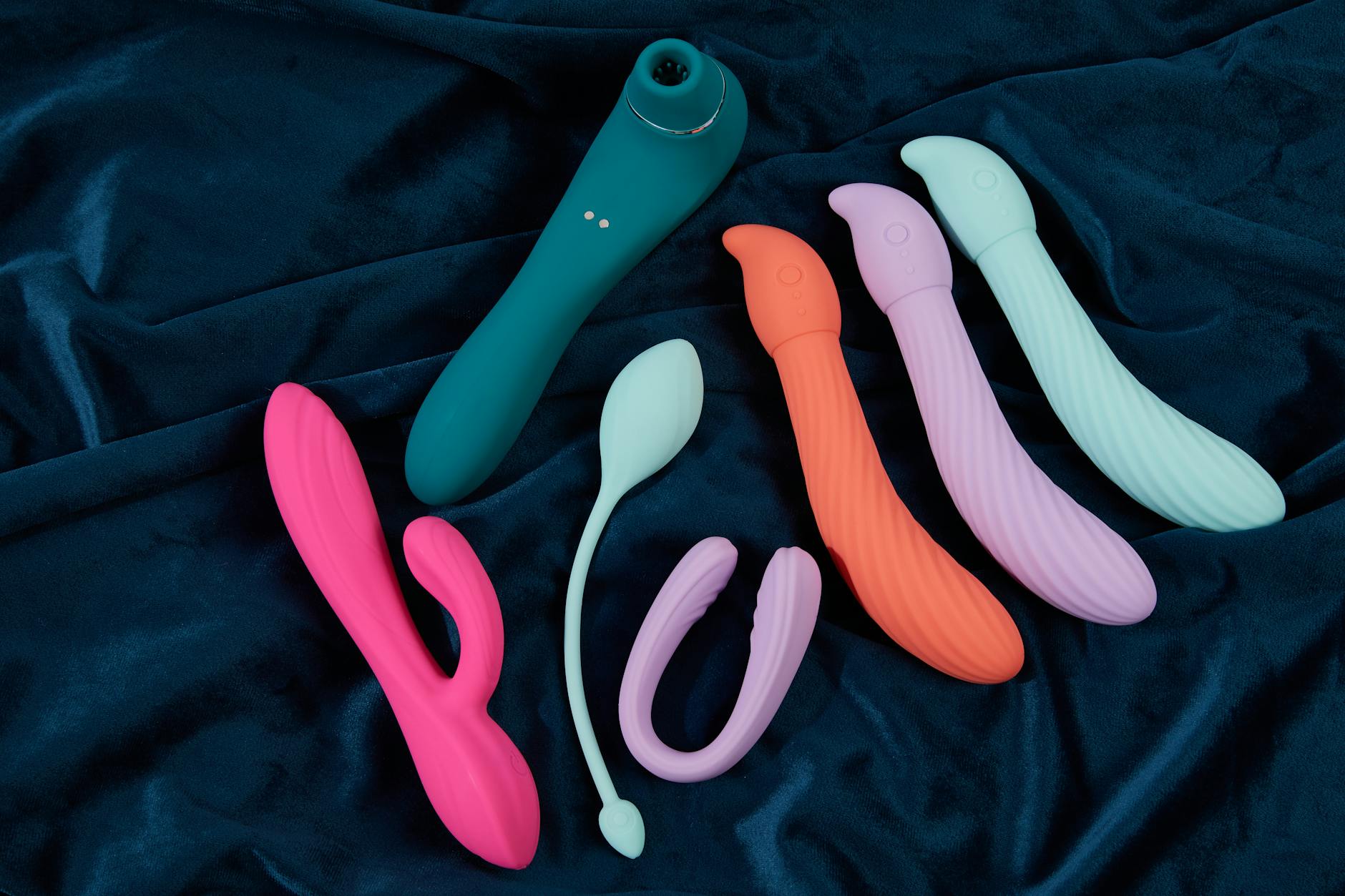
Why Lemon Vibrators Feel Less Effective After Emotional Distance in Relationships
Let's be real. You bought your lemon vibrator because it was supposed to work. And it did, at first. But somewhere between the daily grind, the unspoken tensions, and the way conversations started to feel like transactions instead of actual connection, the whole thing got quieter. Less urgent. Your clitoral vibrator stopped delivering what it used to.
You're not broken. Your toy isn't broken. What's broken is the emotional architecture around the pleasure. And that's actually fixable.
The emotional-sexual connection is stronger than you think
Here's what neuroscience keeps confirming: arousal is not a hydraulic system. It's not just about pressure on the right nerve endings. Your brain has to be in it. Your nervous system has to feel safe. And when emotional distance opens up between you and your partner, your entire pleasure response throttles down.
When I work with couples who report that their toys stopped working, or that sex became mechanical, or that sensation dulled out of nowhere, the pattern is almost always the same. There's a three-to-six-month lag between the moment emotional distance starts and the moment it shows up in the body. By the time someone notices their lemon vibrator doesn't hit the same way anymore, the disconnection has usually been brewing for months.
The reason is straightforward. Your nervous system is monitoring whether your partner is emotionally available. If they're not, at some level your body knows it. And a nervous system that doesn't feel safe doesn't prioritize pleasure. It prioritizes self-protection.
What emotional distance actually looks like in bed
It's not always obvious. You might still have sex. You might still use toys together. But the quality shifts.
First sign: things feel performative. You're going through the motions because it's expected, not because you want to. Your lemon clitoral vibrator gets used, but there's no presence behind it. You're thinking about the shopping list or the conversation you didn't have.
Second sign: sensation gets muted. Even at the highest settings, your vibrator doesn't land the way it used to. This isn't desensitization. It's your nervous system downregulating because it's anxious about the relational tension.
Third sign: you need more stimulation to feel anything. So you turn the intensity up, or extend the session, or try different patterns. Nothing quite crests the way it used to. The orgasm, if it happens, feels hollow.
Fourth sign: the refractory period gets longer. You need more time between sessions to want to do it again. Where you used to get curious a few times a week, now you're reaching for your toy maybe once every two weeks, and even then half-heartedly.
None of these are about the toy. They're about trust evaporating.
Why your lemon suction vibrator can't fix a communication problem
I say this gently: toys are amplifiers, not substitutes. A lemon suction toy amplifies existing pleasure. It amplifies existing connection. But if the connection is corroded, no amount of suction power or pattern variety is going to bridge that gap.
What happens instead is you end up resenting the toy. You bought it because you thought it would help reconnect. Instead it becomes evidence that something's missing. Every time you reach for it, you're reminded that the pleasure you're chasing should be easier, should be more shared, should involve actual presence instead of just physical release.
The toy isn't the problem. The toy is the messenger. And the message is: we're not talking about the actual thing.
Starting the conversation (the one you've been avoiding)
This is where most couples get stuck. Because addressing emotional distance requires vulnerability, and vulnerability feels risky when you're already feeling distant. There's a catch-22.
But here's the thing. The conversation doesn't have to be huge. It doesn't have to be "we need to have a serious relationship talk." It can be smaller and more specific.
Start with something like: "I notice I'm less interested in sex lately, and I think it's because I'm not feeling as close to you." Or: "I miss feeling connected to you outside the bedroom. Can we talk about that?" Or even: "I've been feeling like we're on different pages and I want to fix it."
Notice the structure. You're stating an observation, not an accusation. You're pointing at the disconnect, not blame. And you're making it clear you want to fix it together.
From there, the conversation usually needs to address one of four things: unresolved conflict, unmet needs, competing priorities that have crowded out togetherness, or one person feeling unseen or unappreciated by the other.
Rebuilding with presence, not just performance
Once the conversation starts, pleasure usually comes back pretty quickly. But it requires a reset.
First, reconnect outside the bedroom. Start small. A twenty-minute conversation over coffee where you're both actually present. No phones. No agenda except to remember what you like about each other. This doesn't have to be heavy. It can be funny, it can be trivial. The point is mutual attention.
Second, take sex off the table temporarily. This sounds counterintuitive, but it works. When the pressure to perform is gone, anxiety drops. Your nervous system can relax. You start touching each other for connection instead of for an outcome. When you do eventually bring your lemon vibrator back, it's because you want to build on existing connection, not to fix an absence.
Third, get curious together. If you're using your vibrator as a couple, make it playful. Try different patterns together. Pay attention to what lands. Make it collaborative, not competitive. This is where a lemon clitoral vibrator or any quality toy becomes useful again. It's a tool for shared exploration, not a sign that something's missing.
Fourth, expect a rebuild timeline. Emotional reconnection doesn't happen in a week. Plan on two to three months before pleasure starts feeling natural and generative again. That's normal. It's not a setback. It's healing.
The role of the toy in reconnection
Once the emotional work is underway, a lemon vibrator becomes genuinely useful again. Not as a replacement for presence, but as an extension of it.
Here's how to use it well during reconnection. Have your partner help you choose the intensity. Have them hold it sometimes. Let them set the pace. Make it collaborative. This shifts the toy from "thing I use alone because we're not connected" to "thing we explore together."
You'll notice immediately when connection starts returning. Sensation comes back faster. Lower settings feel effective again. Orgasms land more completely. Your pleasure response opens up because your nervous system feels safe.
And honestly? That reconnection often leads to better sex than before the distance happened. Because you've addressed the real thing instead of just patching over it.
When the distance is bigger than one conversation can fix
Sometimes emotional distance in a relationship is a symptom of something deeper. A partner who's checked out. Unresolved resentment from years back. A fundamental incompatibility in what you both need from the relationship.
If you've had the conversation and nothing shifts, or if the distance feels like it has deeper roots, couples therapy is not a failure. It's a tool. A really good one.
A skilled therapist can help you both understand what's actually happening beneath the surface. They can teach you how to communicate about the hard stuff. And they can help you figure out whether this is a relationship worth repairing or whether it's time to make a different choice.
Your pleasure matters. Your need for connection matters. Both of those things deserve to be taken seriously.
FAQ: Reconnection and Pleasure
Can using a lemon clitoral vibrator together help rebuild emotional intimacy?
Partially. A toy can create moments of playfulness and shared exploration, which can be reconnecting. But it's not the source of reconnection. The source is the conversation, the attention, and the willingness to be vulnerable together. The toy is just the context in which that happens. Start with presence first. The vibrator follows.
How long does it usually take for pleasure to return after emotional distance?
It depends on how long the distance went on and whether the core issue is being addressed. If you've had one serious conversation and you're both showing up differently, you might notice shifts within two to four weeks. If this has been years in the making, expect two to three months of conscious rebuilding. The physical pleasure almost always returns once the emotional foundation is solid again.
If my lemon suction vibrator still doesn't feel good after we've reconnected, what's happening?
A few possibilities. You might be expecting immediate sensation return when actually your nervous system needs more time to recalibrate. You might be putting performance pressure on yourself ("this should work by now"). Or there might be a physical component like hormonal changes or medication side effects that has nothing to do with the relationship. If it's been three months and sensation still isn't returning, check in with a healthcare provider. But most of the time, it's just a patience thing.
Can emotional distance cause actual physical desensitization with a lemon vibrator?
No, not in the permanent way. What happens is your nervous system downregulates, which means sensation becomes muted. It feels like desensitization, but it's not. It's protective numbness. The good news is it reverses as soon as connection returns. You're not broken. You're not numb forever. You're just in a protective state that will shift once the relationship feels safe again.
What if my partner doesn't want to talk about the emotional distance?
That's itself the problem. Emotional safety requires both people being willing to show up and address what's wrong. If your partner is refusing to engage, that's important information about whether this relationship is meeting your needs. You might try framing it as "I want us to feel closer, and I need your help to figure out why we don't," instead of "we have a problem." But if they still won't engage, you might need professional support to decide what comes next.
Is it normal to feel sad or grieved when pleasure returns after emotional distance?
Yes. Often when sensation comes back, people feel the weight of what they lost during that disconnected time. That sadness is actually healthy. You're grieving the distance. You're also celebrating that it's over. Both feelings belong. Let yourself feel them.
The simple truth
Your lemon vibrator isn't a therapist. It's not a relationship fixer. It's a tool for pleasure, and pleasure only works well when there's trust and presence underneath it.
If emotional distance is muting your sensation, the toy isn't the problem. Reconnection is the answer. And reconnection always starts with a conversation, not with better settings or different patterns.
Start there. Everything else follows.