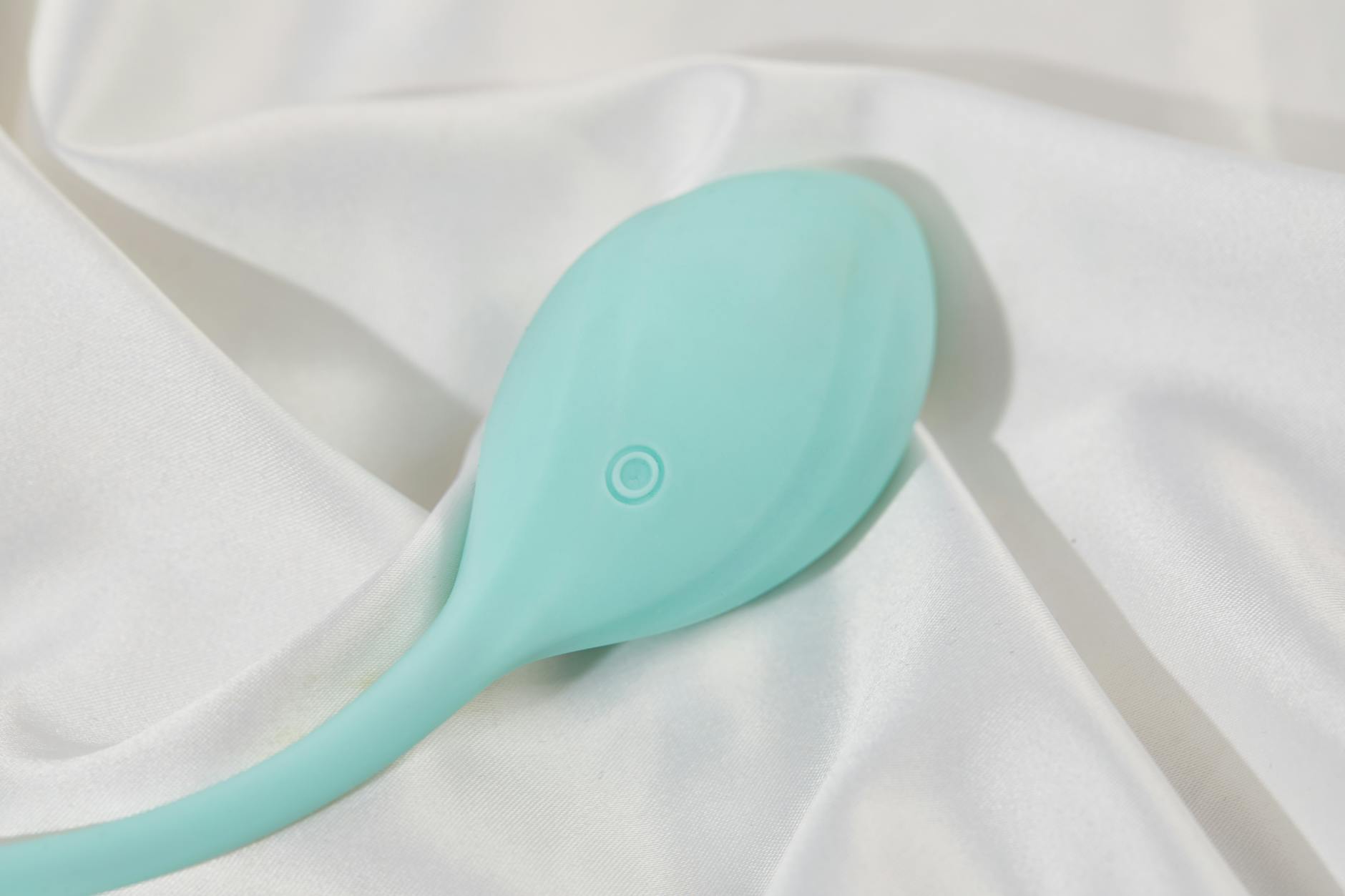
The pressure paradox nobody talks about
Let's be real. You spent your 20s and 30s with a vibrator that worked. Reliable. Predictable. Then you turn 40 and suddenly that same toy feels like it's trying to sand down your entire clitoris. You assume you're broken. You're not. Your tissue has actually become more sensitive, and the stimulation style that worked for decades might genuinely be too blunt now.
This isn't about aging badly. It's about tissue maturation, nerve density shifts, and the reason why lemon clitoral vibrators and suction-based toys have exploded in popularity with people over 40. The mechanics are completely different from traditional vibrators, and that difference matters more now than it ever did.
What actually changes in clitoral tissue after 40
Your clitoris doesn't shrink or lose sensation. What changes is architecture. The erectile tissue underneath the clitoral hood thickens slightly over time. The nerve endings become more densely packed and closer to the surface. The skin itself gets thinner as collagen production slows. Basically, there's less padding between stimulation and the nerve endings themselves.
That sounds bad. It isn't. It's the reason many people report their most intense orgasms happening after 40.
But here's the catch. A traditional vibrator applies pressure through rapid vibration. The faster the motor, the more surface pressure your tissue absorbs. For decades, you tolerated it fine. Now that the tissue is thinner and nerves are closer to the surface, that same vibration can feel abrasive or overwhelming. Your body isn't betraying you. It's telling you it needs a different input.
Hormonal shifts compound this. Estrogen drops after 40, and while that primarily affects vaginal tissue, it also influences clitoral blood flow and tissue elasticity. Less elasticity means less shock absorption, which makes direct vibration feel harder.
Why lemon suction works so differently
A lemon vibrator or any suction-based clitoral toy works on a fundamentally different principle than traditional vibrators. Instead of rapid vibration creating friction, suction stimulates the entire clitoral network through gentle pressure waves. The stimulation is broader, less direct, and infinitely adjustable.
This matters after 40 because your tissue doesn't need to be hammered. It needs sustained, nuanced stimulation. A lemon clitoral vibrator starts on setting one, which applies almost no pressure. You control the intensity. You can stay at a pressure level that feels perfect instead of jumping from too gentle to too much.
The sensation is also different neurologically. Vibration triggers fast-twitch nerve fibers. Suction triggers slow-twitch fibers and creates more whole-body arousal rather than just local stimulation. For a lot of people after 40, that slower, deeper response feels infinitely more sustainable and pleasurable.
The recovery time factor
Here's something nobody mentions. After 40, your nervous system takes longer to recover from intense direct stimulation. Not because you're aging badly, but because your parasympathetic nervous system (the calming system) works differently. High-intensity vibration can leave you feeling wrung out, even if the orgasm was great.
Lemon suction toys tend to create orgasms that feel more integrated because the stimulation method itself doesn't overload your system. You're not launching your nervous system into overdrive. You're activating it gradually, which means the recovery is gentler and the pleasure lasts longer. Some people describe suction orgasms as feeling like they happen from the inside out rather than the outside in.
If you've noticed that your old vibrator leaves you drained, that's real. It's not weakness. It's your body telling you it wants a different style.
Pressure sensitivity and the pleasure map shift
After 40, the most sensitive spot on your clitoris often shifts slightly. The frenulum (the underside where the clitoral hood meets the body) and the anterior commissure (where the clitoral bulbs meet) become more responsive relative to the glans (the tip). This isn't universal, but it's common.
Traditional vibrators typically concentrate pressure on the glans. If your sensitivity has shifted, you're applying maximum force to the wrong spot. A lemon clitoral vibrator spreads stimulation more evenly because suction engages the whole clitoral structure. You're not hunting for the magic spot. The toy is already hitting all the sensitive areas at once.
That's why many people over 40 find they need less pressure total, even though individual spots might actually be more sensitive. You're distributing the stimulation instead of concentrating it.
The mental component (yes, it matters)
After 40, pleasure is often less about novelty and more about control. You know your body. You know what you want. The last thing you need is a toy that forces you into a particular intensity level. The pleasure of a lemon suction toy, for many people in this stage of life, is partly the pleasure of agency. You decide the pressure. You decide the pattern. You decide when to change it.
This shifts the whole experience from passive reception to active participation. That psychological piece alone can make the physical experience feel completely different, regardless of what's happening neurologically.
If you've been using traditional vibrators for 20 years, switching to a lemon clitoral vibrator can feel shocking at first. The sensation is less intense initially, which can feel underwhelming. Give it five minutes. The stimulation builds differently. By the time you reach where you'd typically expect maximum intensity, you realize you've been at the perfect level for a while.
Fine-tuning after 40
Honestly though, this is the time to get experimental. You know yourself. You've spent decades learning your body. A traditional vibrator works on the toy's terms. A lemon vibrator works on yours.
Start on the lowest setting. Spend time exploring what settings actually feel good rather than what you think should feel good. Notice if you're reaching for lower intensities than you used to. Notice if you're staying in sessions longer because you're not getting fatigued. Notice if the orgasms feel different in a way that's better.
Most people over 40 who switch to suction toys don't go back. Not because they're objectively superior, but because they match the way your tissue and nervous system want to be stimulated now.
FAQ: Pressure sensitivity and lemon vibrators
Why does my lemon clitoral vibrator feel less intense than my old vibrator?
A lemon vibrator uses suction instead of vibration, so the stimulation method itself is inherently different. It's not that it's weaker. It's that it's distributed across a wider area instead of concentrated on one spot. After 40, this broader approach often feels more pleasurable because your tissue is more sensitive to direct pressure. The intensity builds differently. Many people find that settings they'd expect to feel mild actually create profound orgasms because the stimulation is hitting all the right nerves at once.
Should I use higher pressure settings as I get older?
Actually, no. As you age, your clitoral tissue becomes more sensitive, not less. If you've been turning up the pressure on traditional vibrators to compensate, switching to a lemon suction toy lets you turn it way down. You might find that settings one through three are where all the action happens now. That's not a sign of dysfunction. It's a sign your body is working efficiently.
Can pressure sensitivity change during my cycle after 40?
Yes. Even after 40, hormonal fluctuations still happen. Days when estrogen is higher, your tissue has more elasticity and you might tolerate higher pressure. Days when progesterone dominates, everything feels more tender. If you're still cycling, pay attention to which days call for lower settings. A lemon clitoral vibrator lets you adjust easily rather than being stuck with one preset intensity.
Is it normal for suction to feel strange at first?
Completely normal. You've spent decades with vibration. Suction engages your nervous system differently. It can feel almost too gentle at first, or like something's happening but you're not sure what. Give yourself a few sessions. Suction builds sensation differently than vibration. By session three or four, you'll understand why so many people over 40 prefer it.
Why does my clitoris feel sore after using a traditional vibrator now when it didn't before?
Thinner tissue plus higher pressure equals irritation. Your clitoris isn't damaged. It's just telling you that direct vibration at that intensity doesn't work anymore. This is when switching to a lemon vibrator or other suction toy makes sense. You get stimulation without the micro-trauma. If soreness persists, take a break for a few days and then try lower settings or a different toy style entirely.
Should I see a doctor if pressure sensitivity changes?
If sensitivity changes suddenly or painfully, yes. If you're just noticing that you prefer gentler stimulation than you used to, that's a normal age-related shift. A good gynecologist who specializes in sexual health can rule out anything medical, but in most cases, preference shifts are just your body being smart about what it needs.
The bigger picture
Your clitoris didn't betray you at 40. Your body became more sophisticated. The tools that worked in your 20s and 30s were useful then. They're not optimal now. That's not loss. That's information. After 40, pleasure gets better when you listen to what your tissue actually wants instead of what tradition says you should want. A lemon clitoral vibrator is often that conversation starter. You ask your body what it needs, and it answers. Then you actually listen.
Ready to explore what works for your body now? Reach out to Hello Nancy if you have questions about which toy might be the right fit for you at this stage.