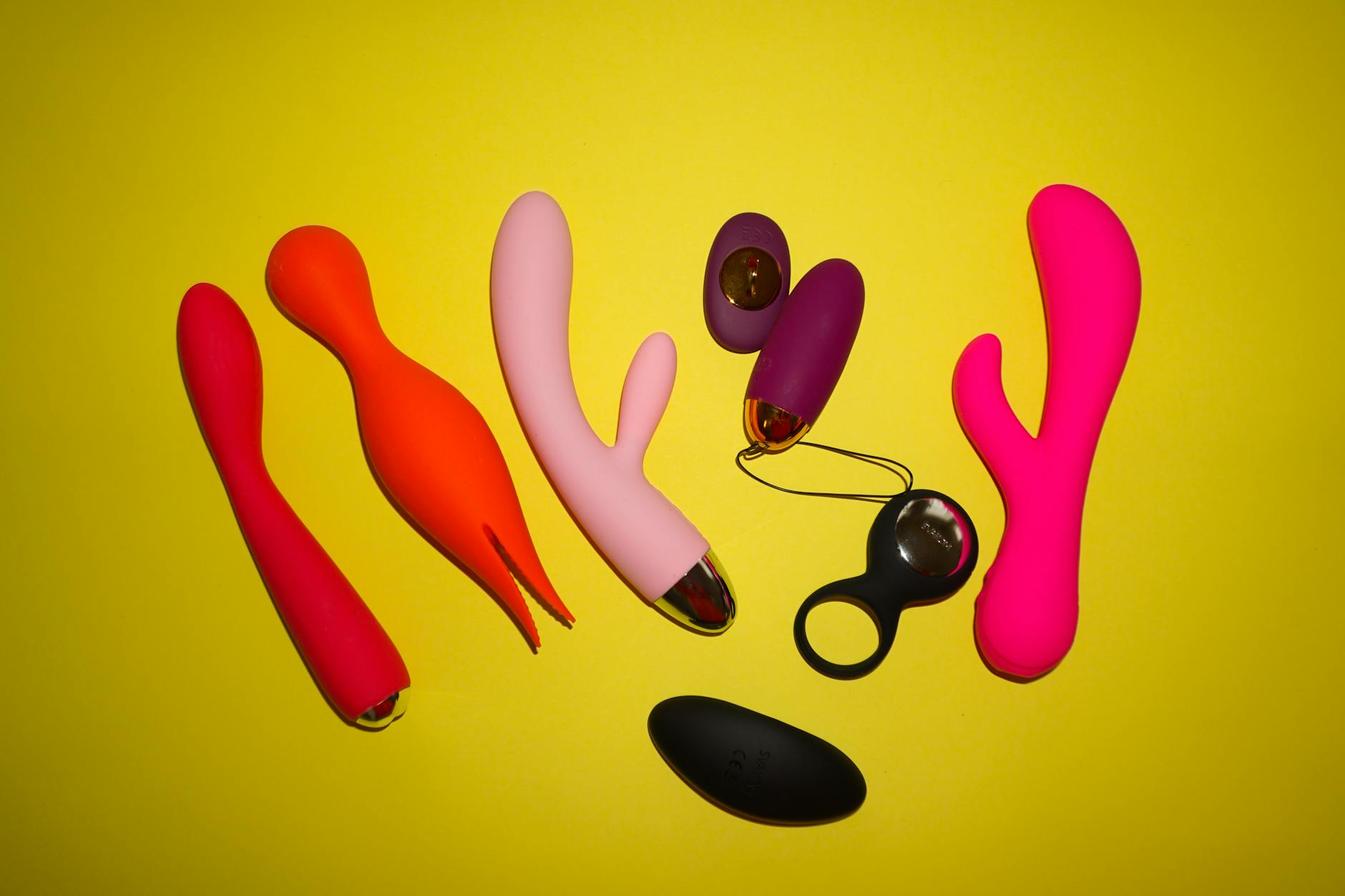
Here's what nobody tells you about hormones and sensation
Your hormones aren't just about mood or energy. They're active architects of sensation. When estrogen, progesterone, or testosterone shift, the nervous system responds. Blood flow patterns change. Tissue sensitivity recalibrates. The way a lemon vibrator feels today might feel completely different in two weeks.
Most people think this is a problem. It isn't. It's information.
How hormonal cycles affect clitoral sensitivity
Your clitoris isn't a static target. It responds to hormonal fluctuations the same way the rest of your body does. During the follicular phase (post-period, pre-ovulation), estrogen rises and tissue becomes more engorged. Blood flow increases. The clitoris physically swells slightly, which means it's closer to the surface and more responsive to direct stimulation.
This is why some people find that during this phase, a lemon vibrator's suction mode feels incredible at settings they'd normally find too intense. The tissue is literally more accessible.
During the luteal phase (post-ovulation through menstruation), progesterone dominates. Tissue retains more fluid, sensitivity can spike or dip depending on where you are in the phase, and arousal often takes longer to build. The lemon clitoral vibrator that felt perfect last week might feel overstimulating now. The solution isn't to avoid it. It's to start at a lower pattern and build up more gradually.
Why intensity preferences shift mid-cycle
I work with couples navigating intimacy, and one pattern I see constantly is that partners assume a change in pleasure preference means something is wrong. "They used to love pattern 4 on the highest setting, but now pattern 2 on medium is all they want." That's not a signal of disconnection. That's a signal of hormonal shift.
Progesterone and estrogen ratios affect nerve sensitivity. When progesterone peaks (usually around day 21 of a typical cycle), nerve endings are more reactive. What feels pleasurable at a moderate intensity during the follicular phase can feel sharp or uncomfortable during the luteal phase.
Lemon vibrators, because they use suction rather than direct vibration, actually give you more granular control over this. You can dial down the intensity without losing the sensation entirely. That matters during hormonal transitions when you need flexibility.
The arousal-speed shift during different hormonal phases
Estrogen facilitates arousal. When it's higher, your nervous system primes faster. Blood redirects to the pelvic region more readily. Lubrication happens sooner. The lemon vibrator delivers results faster.
When estrogen dips (typically late luteal phase, or during perimenopause or post-menopause), arousal takes longer to trigger. This isn't low desire. This is neurobiology. The clitoris needs more time to fill with blood, more stimulation to cross the arousal threshold.
If you're noticing that you need 10 minutes of foreplay before you feel ready for a clitoral vibrator when you used to need 2, you're not broken. You're in a different hormonal window. I recommend starting with a lower setting, building duration into your routine, and being patient with the pace. When you stop fighting the rhythm and lean into it, pleasure often deepens.
Lubrication changes and how they reshape sensation
Estrogen maintains vaginal and clitoral tissue moisture. When estrogen drops, natural lubrication decreases. This is true during the luteal phase, absolutely during perimenopause and beyond, and it's also true in early pregnancy and postpartum.
Drier tissue doesn't just feel different. It changes what sensation the lemon vibrator can deliver. Suction works best when there's slight natural moisture to create the seal. Without it, you might feel more friction or less of the signature suction sensation.
The fix is simple: add water-based lubricant. This isn't a workaround for a defect. It's part of the setup. When you lubricate, you're not compensating for something wrong. You're optimizing the experience for your current hormonal state. Many people find that using lubricant during certain phases actually enhances sensation because everything glides more smoothly.
Pelvic floor tension and hormonal swings
Progesterone rises also trigger subtle tension in the pelvic floor. This isn't voluntary tension. It's hormonal. A tighter pelvic floor changes how sensation travels through the region. Some people feel more intense orgasms when the pelvic floor is slightly engaged. Others find a tighter pelvic floor makes stimulation feel compressed or less nuanced.
When you're using a lemon vibrator and notice that sensation feels dampened or that you're having trouble reaching orgasm, pelvic floor tension is often the culprit. The fix is breathing. Slow exhales relax the pelvic floor. I suggest spending 30 seconds doing deep belly breaths before you start, then returning to normal breathing during stimulation. That single shift often restores sensation clarity.
Hormonal transitions: perimenopause, menopause, and after
The biggest hormonal shift most people experience happens in perimenopause and menopause. Estrogen becomes erratic, then drops. Progesterone follows. Tissue changes. Arousal patterns change. Sensation intensity can fluctuate week to week.
During perimenopause, I often hear: "One week I feel like I always have, the next week everything feels numb." That's the hormonal roller coaster. A lemon clitoral vibrator becomes valuable here because you can adjust on the fly. Start low, increase gradually, shift patterns if the first one isn't landing.
Post-menopause, when estrogen levels stabilize at a new baseline, sensation stabilizes too. Many people find that post-menopausal pleasure is different, not diminished. The clitoral vibrator still works beautifully. You may need more lubrication consistently, longer warm-up time, and lower starting intensity. But those adjustments often lead to some of the most intense and satisfying orgasms people report.
Tracking your cycle to predict sensation shifts
Here's a practical move: start noting when specific patterns on your lemon vibrator feel best. After two or three cycles, you'll see a pattern emerge. You'll likely find that days 7-14 post-period feel different from days 21-28. This isn't mysticism. It's data.
When you know which phase favors which intensity, you stop being surprised. You stop assuming something is wrong. You just adjust. "Oh, I'm in my luteal phase. Pattern 1 is the play today, and I'll work my way up." That knowledge is power.
Communication during hormonal transitions
If you're with a partner, the hormonal shifts that change your pleasure response matter in the relationship too. The worst thing you can do is stop communicating mid-shift and let your partner guess. The best thing you can do is name it: "My body's in a different phase right now. This intensity is less comfortable this week. Let's try pattern 2."
That conversation doesn't break the mood. It deepens it. Your partner learns your body in real time. You build a practice around responsiveness instead of assumption. And honestly, couples who track these shifts and adjust together often report feeling closer, not further apart.
What to track and how to adjust
Start simple. Note the date, your cycle phase (if you track it), and which pattern on your lemon vibrator felt best. After a few months, you'll see the shape of your own arousal landscape. Then you can predict and adapt instead of react.
When intensity feels off: start 2 settings lower than you normally would, increase by one every 60-90 seconds. Let sensation build naturally.
When arousal feels slow: add 5-10 minutes of warm-up time before using a clitoral vibrator. Don't push. Let desire accumulate.
When lubrication feels inconsistent: use water-based lubricant as standard, not emergency. It's part of your setup, not an admission of dysfunction.
When pelvic floor tension feels present: breathe deeply before you start, focus on exhales during stimulation, pause if you feel locked up, and reset.
People also ask
Does my cycle really affect how vibrators feel?
Completely. Hormonal shifts change blood flow, tissue sensitivity, and nerve reactivity. The lemon vibrator isn't changing. Your nervous system is. This is normal and manageable once you understand it.
Why does my lemon clitoral vibrator feel uncomfortable during certain times of the month?
During the luteal phase, progesterone is higher, which can increase pelvic floor tension and nerve sensitivity. Lower intensity settings and longer warm-up usually fix this. If discomfort persists, check that you're using lubricant and taking time to relax your pelvic floor.
Can hormonal birth control change how lemon vibrators feel?
Yes. Birth control stabilizes hormone levels, which means sensation stays more consistent cycle to cycle. Some people find this makes pleasure more predictable. Others miss the natural rhythm variation. Both are valid experiences.
What should I do if sensation feels numb during certain phases?
Numbing usually signals that arousal needs more time to build, or that pelvic floor tension is dampening sensation. Try extending foreplay, using lower intensity initially, or focusing on deep breathing to release pelvic tension. If numbness persists across multiple cycles, mention it to a doctor.
Does menopause permanently change how vibrators feel?
Menopause changes sensation, but not permanently in a bad way. Tissue is different, arousal builds differently, but many people report more intense pleasure post-menopause. Consistent lubricant use, longer warm-up, and starting at lower intensity usually creates a new normal that works beautifully.
How do I know if a sensation change is hormonal or something else?
If the change follows your cycle pattern consistently (same intensity, same phase, month after month), it's hormonal. If it's random or gets worse, check with a doctor. Tracking for two to three cycles usually clarifies the pattern.
What happens when you stop fighting the shift
Most people approach hormonal sensation changes as problems to solve. Adjust your expectations instead. Your body isn't malfunctioning when it responds differently to a lemon vibrator at different times. It's communicating.
When you stop resisting and start working with these shifts, pleasure often deepens. You learn your own arousal landscape more intimately. You communicate better with partners. You build flexibility and resilience into your intimate life.
That's not compromise. That's mastery.