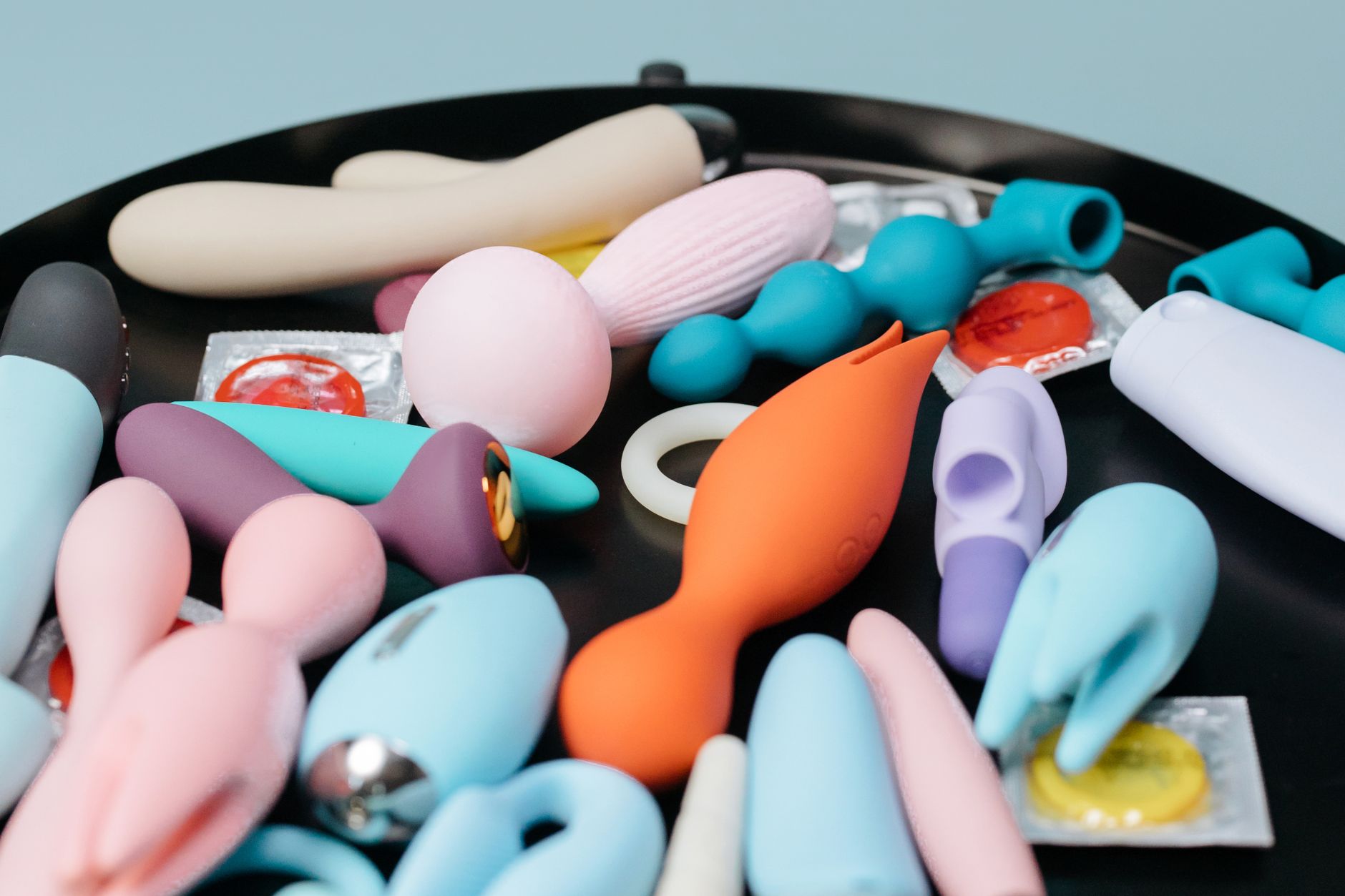
Let's talk about the thing nobody brings up
Mismatched libido is one of the most common relationship complaints I hear. One person wants sex three times a week. The other wants it once a month. Neither is broken. Neither is wrong. And yet the friction from that mismatch can slowly erode everything else that's good between you.
Here's what most couples get wrong: they assume the solution is negotiating a compromise number. It rarely works. The person with higher desire feels rejected. The person with lower desire feels pressured. Both end up resentful, and sex becomes transactional instead of connecting.
Lemon vibrators change this dynamic because they offer a third option. They let you have pleasure together without requiring identical arousal timelines or matching desire curves.
Why libido mismatch feels like a relationship problem
It's not, technically. Desire fluctuates based on stress, hormones, work, mental health, and relationship satisfaction. Two people rarely sync up perfectly, and that's normal. But when the gap widens, it hits something deeper than logistics.
The higher-desire partner often interprets rejection as: you don't find me attractive anymore. The lower-desire partner feels: you only care about sex. Both interpretations are usually wrong, but the emotional weight feels real in the moment.
Then there's the practical friction. If one of you initiates and gets turned down repeatedly, initiation often stops entirely. Connection erodes. Resentment builds. And suddenly you've got two people sleeping in the same bed who feel miles apart.
What lemon clitoral vibrators actually solve here
A lemon sucker vibrator like the Lem works because it shifts the conversation from "do we both want sex right now" to "can we have pleasure together in a way that works for both our bodies."
Think of it this way: your partner might need 20 minutes to build arousal. You might be ready in 3. Without a toy, one of you waits (and builds resentment) or one of you rushes (and doesn't enjoy it). With a lemon clitoral vibrator, you can both be present and engaged from the start.
The suction-based mechanism is particularly useful here because it requires minimal effort from your partner. They don't have to do anything. You control the rhythm, the intensity, the timing. If your partner has lower desire but wants to be intimate, they can focus on connection instead of performance. They can hold you, kiss you, talk to you. Meanwhile, you're getting consistent stimulation that actually gets you there.
That's not a workaround. That's intimacy redesigned.
The conversation you need to have first
Before a lemon vibrator enters the picture, you need to name the mismatch without shame.
Not: "You never want sex."
Instead: "I've noticed our desire patterns don't line up the same way they used to. I miss feeling close to you. Can we talk about what's going on for you?"
That's different. The first is accusatory. The second is curious. The second is the one that actually opens a real conversation.
Your partner might tell you they're exhausted from work. They might be dealing with depression. They might have never learned how to access their own desire. They might have anxiety around their body. They might love you and just have a genuinely lower libido. All of these require different conversations and different solutions.
Introducing a lemon sexual toy before you've had this conversation usually backfires. Your partner might feel like you're pressuring them. Or like you're checking out of working on the relationship. So start here. Have the unglamorous talk.
How to introduce lemon vibrators without it feeling like pressure
Once you've talked, frame it this way: "I want us to have pleasure together. Not because there's something wrong with you or with how we've been doing things, but because I think this could help us both feel good and connected."
Then show them options. Let them choose. Or let them say no.
If you bring a lemon clitoral vibrator to bed without context, your lower-desire partner might feel like you're saying: "Since you won't have sex with me, here's the solution." That's poison for intimacy.
But if you frame it as a tool you both get to explore, it becomes something different: "What if we tried this together and saw how it felt?"
The person with lower desire should have agency in this. They should get to say yes, no, or "let me think about it." They should know what it is, how it works, and what to expect.
The actual mechanics when libidos don't match
Let's say you're the higher-desire partner. You're ready. Your partner is still waking up to the idea.
Instead of waiting for them to catch up, or rushing them, try this: start with a lemon vibrator on low while you're kissing them, touching them, paying attention to them. You're not asking them to perform. You're just creating sensation in their body.
Many people with lower libido find that their desire responds to physical stimulation, not mental fantasy. So touch leads to arousal leads to desire. The suction-based mechanism of something like the Lem is gentle enough that it can wake up sensitivity without overwhelming someone who's not quite ready yet.
Meanwhile, you're present with them. You're not off by yourself. You're connected. That matters more than you might think.
The other version: you're the higher-desire partner, and your partner is willing but not burning. A lemon clitoral vibrator lets you reach orgasm efficiently while they can just be with you. That's not selfish. That's realistic about different bodies and different timelines.
When the mismatch points to something bigger
Sometimes libido mismatch is just libido mismatch. Sometimes it's a symptom.
If your partner's desire dropped suddenly, there's usually a reason. Depression. Medication. Hormonal changes. Stress. Relationship tension. Trauma. Health issues. Sometimes it's as simple as boredom with routine.
A lemon sucker vibrator can help you maintain intimacy while you figure out the actual issue. But it's not a replacement for addressing the root cause. If your partner is depressed, introducing a toy isn't treatment. It's a band-aid. A useful band-aid, but still a band-aid.
If the mismatch is about resentment or disconnection, you might need to work with a couples therapist before a vibrator becomes anything other than awkward. Fix the relationship first. Then add tools that feel supportive instead of desperate.
The rhythm that actually works for most couples
Here's what I've seen work repeatedly: don't aim for matching libidos. Aim for regular intimate time that works for both people.
Set a day. Maybe it's Friday night. Maybe it's Sunday morning. Pick a time that isn't rushed. Agree that this is intimate time, which might mean sex, might mean oral sex, might mean using a lemon clitoral vibrator together, might mean just being naked and close.
When both people know it's coming, the person with lower desire can mentally prepare. They can set work stress aside. They can eat a good dinner. They can do whatever helps them access their desire. The person with higher desire doesn't have to randomly initiate and face rejection.
It sounds unromantic. It's not. It's actually the opposite. It's choosing each other intentionally. It's removing the anxiety of spontaneous rejection. It's creating space for pleasure without negotiating in the moment.
Then, within that time, lemon sexual toys let both of you have a good experience even if your timelines are different.
The conversation you have after
This matters as much as anything else.
After you've been intimate together, ask your partner: "What felt good? What didn't? What did you like about using this together?"
Not: "Did that help your libido?"
Instead, stay curious about the experience itself. Most people with lower desire feel broken or guilty about their desire level. When you ask the right questions, you're showing them that you care about their pleasure, not just their performance.
That shift, over time, often increases desire naturally. It's hard to want sex with someone who makes you feel broken. It's easier to want it with someone who's genuinely interested in your experience.
Mismatched libido is a logistics problem, not a love problem. The right tools and the right conversation can turn it into something that brings you closer instead of pushing you apart.
When to get support
If you've had this conversation, introduced pleasure tools like lemon clitoral vibrators, scheduled intimate time, and still feel deeply disconnected, that's the signal to reach out to a couples therapist or sex therapist.
Libido mismatch sometimes reflects deeper relationship issues. A professional can help you untangle what's actually happening and give you tools beyond just adding toys to the mix.
The goal isn't to make your libidos identical. It's to build a relationship where different desire levels don't feel like rejection or pressure.
FAQ
Does using a lemon vibrator with a partner mean our sex life is broken?
Not at all. It means you're adapting to how your bodies actually work instead of pretending they work the same way. Some of the strongest couples I've worked with use toys together regularly. It's not a sign of failure. It's a sign of creativity and willingness to meet each other where you are.
Will a lemon clitoral vibrator make the lower-desire partner want sex more often?
Sometimes. Often it doesn't change the frequency, but it changes the quality of what happens when you are intimate. That matters more. Plus, when the lower-desire partner feels less pressured and more connected, desire sometimes naturally increases. But don't expect it as a guarantee.
How do I bring this up without my partner thinking I'm not attracted to them?
Be direct and specific. "I love your body and I love being close to you. I also want us both to feel really good during sex, and I think trying this together could help that happen. What do you think?" Your partner's insecurity isn't your responsibility to manage, but you can be thoughtful about how you frame the conversation.
What if my partner refuses to try a lemon sexual toy?
Then they've told you no. Respect that. You can ask what their hesitation is, but don't push. Pressure kills intimacy faster than anything else. If their refusal feels like a bigger issue, that's the conversation to have. Maybe they're uncomfortable with toys generally. Maybe they're afraid of change. Maybe they need more reassurance about attraction. Listen.
Can lemon vibrators fix a relationship where libido mismatch is the main problem?
No. They can help you navigate it more pleasantly while you work on the actual relationship. But if the only thing holding you together is agreeing about sex frequency, that's a different issue. Focus on connection first. Add tools second.
How often should we be using toys like the Lem together if our libidos don't match?
There's no right answer. What matters is that you both feel good about the frequency. Some couples use them twice a week. Some use them twice a month. The number doesn't matter as much as both people genuinely wanting it to happen.