Here's the thing nobody tells you: your pelvic floor can actually prevent pleasure
Tight pelvic floor muscles are weirdly common, and almost nobody talks about them until they become a problem. You might have felt it as pain, numbness, or just the sense that stimulation doesn't register the way it used to. The muscles that support your bladder, uterus, and bowel are basically locked in a permanent clench, and when that happens, sensation gets muted like you're feeling everything through a thick blanket.
The good news: lemon vibrators work brilliantly with pelvic floor tension instead of making it worse. But you need to know how to use them differently.
What tight pelvic floor muscles actually do to sensation
Your pelvic floor is a hammock of muscle running from your tailbone to your pubic bone. When it's relaxed, blood flows freely, nerves fire clearly, and pleasure registers at full volume. When it's chronically tight (whether from stress, trauma, childbirth recovery, or just years of "holding it in"), two things happen.
First, the muscles around your clitoris and vaginal opening stay partially contracted, which means they're less receptive to stimulation. A vibrator pushes against tense tissue instead of tissue ready to expand and respond. Second, anxiety lives in a tight pelvic floor. The tighter you get, the more you anticipate pain or numbness, and that anticipation tightens you further. It's a loop.
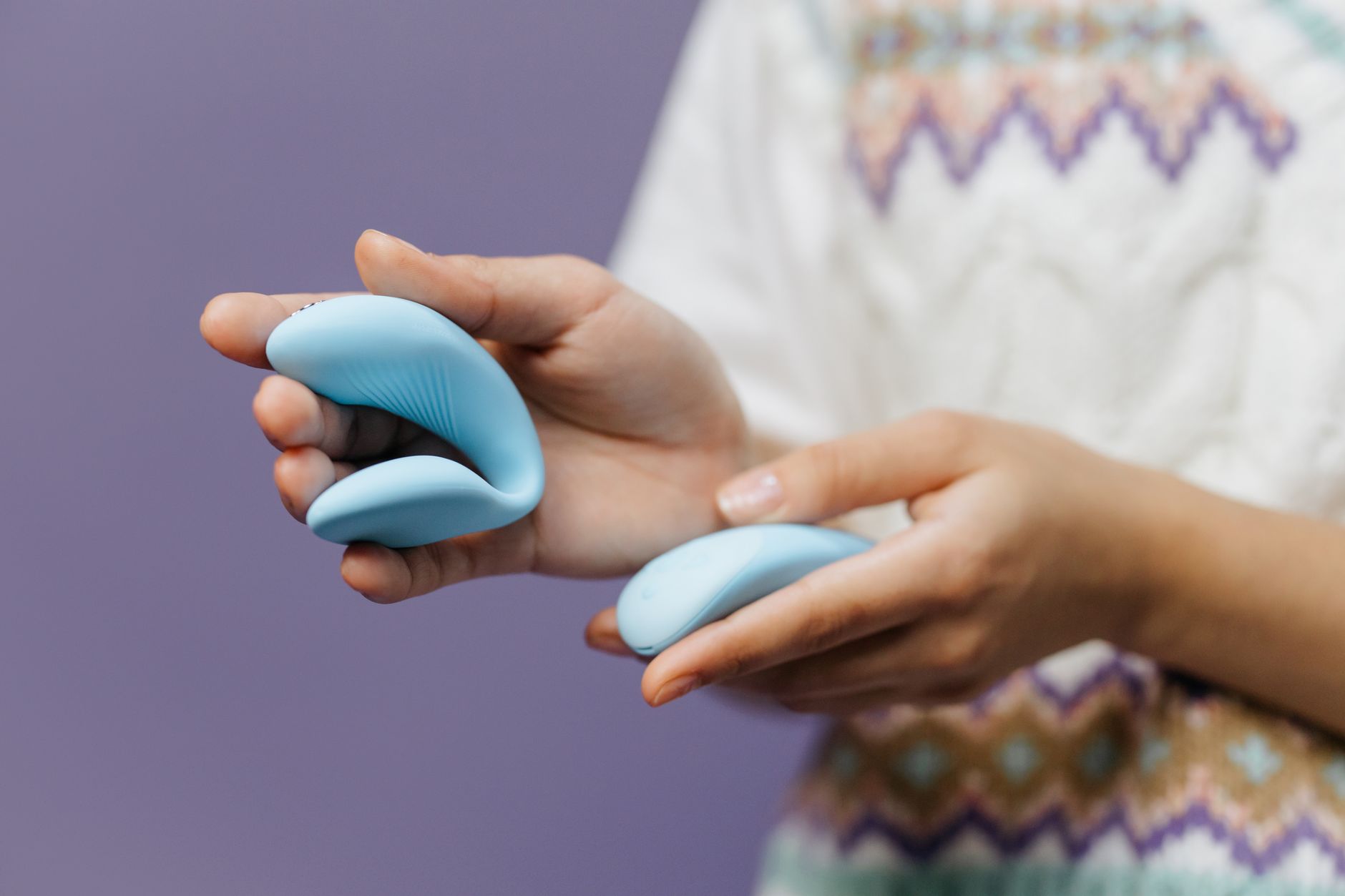
Lemon clitoral vibrators are particularly useful here because their suction-based stimulation doesn't rely on deep penetration or intense friction. Suction works on the surface, which is exactly where you need focus when your pelvic floor is compromised.
Why suction vibrators feel different when pelvic tension is present
Traditional vibrators push rhythmically into tissue. A lemon vibrator creates a gentle vacuum that pulls and releases. That's not just a nice variation. It's biomechanically different, and it matters.
When your pelvic floor is tight, downward pressure can trigger more tension (it's a protective reflex). Suction, on the other hand, creates an outward pull that actually encourages your pelvic floor to soften slightly. You're not hammering at locked muscles. You're inviting them to relax by offering a sensation they don't need to defend against.
Many of my clients with pelvic floor dysfunction report that suction feels less aggressive, more manageable, and sometimes easier to pair with the relaxation work they're already doing. The lemon vibrator becomes a tool for pleasure and simultaneously, gentle biofeedback that reminds your nervous system it's safe to let go.
The pelvic floor reset that actually works
Before you use any vibrator, tight pelvic floor muscles need a reset. Not stretching in the conventional sense (don't do aggressive kegels or hold intense contractions). Instead, you need strategic relaxation.
Here's the protocol I use with clients:
Step one: internal release. Lie on your back with knees bent. Using a clean finger (or a partner's, with consent), gently press into the entrance of your vagina about an inch, then very slowly exhale and imagine the muscle softening. Don't push deeper. Just hold gentle pressure and breathe. Do this for 30 seconds, three times, once daily for a week. This teaches your nervous system that internal touch doesn't have to trigger clenching.
Step two: external softening. Before using your lemon vibrator, spend two minutes massaging the area between your vulva and anus with a warm hand or warm compress. The warmth increases blood flow and signals to your nervous system that you're safe. Your pelvic floor relaxes in response to warmth and safety.
Step three: breathwork during stimulation. When you start using your vibrator, focus on long exhales. Tension lives on the inhale. Each time you exhale, your pelvic floor naturally releases slightly. Coordinate your breath with the vibration. Inhale for 4 counts, exhale for 6 counts. That longer exhale is where the magic happens.
How to use your lemon vibrator with pelvic floor dysfunction
Start low and go slow. Set your lemon vibrator to pattern one or two. Higher intensities bypass your pelvic floor's ability to gradually acclimate and can make it clench harder in self-protection.
Apply the vibrator to your clitoris and hold it there for 30 seconds without moving it. Don't sweep or search. Static stimulation with relaxation is the goal. Your nervous system needs to learn that vibration doesn't mean threat.
After 30 seconds, move away. Breathe. Notice whether your pelvic floor tightened or stayed soft. If you felt clenching, you went too intense. Drop down a level next time.
Gradually extend your sessions. Week one: five minutes, twice weekly. Week two: seven minutes, twice weekly. By week four, most people find their pelvic floor has started accepting the sensation without reflexively tensing. This is genuine progress, and it compounds.
Paired with pelvic floor physical therapy (if you're seeing a PT), a lemon vibrator becomes a home tool that reinforces the relaxation work you're doing in sessions. They're meant to work together.
When to bring a partner into this
If you have a partner, the suction sensation from a lemon clitoral vibrator can feel safer and less invasive than a partner's touch when pelvic floor tension is present. There's no judgment, no performance pressure, and no anticipatory anxiety about "will they expect something."
That said, don't skip the solo work first. Mastering your own pelvic floor response on your own timeline builds confidence. Then, if you want to include a partner, they can hold the vibrator while you focus on breathing and relaxation. Their presence becomes supportive rather than pressured.
One practical note: communicate beforehand that you're retraining your pelvic floor. The goal isn't orgasm right now. It's sensation and safe nervous system response. A partner who understands this can stop trying to "make something happen" and instead simply witness your body's relearning process.
Physical therapy and vibrator work go hand in hand
If you don't already have a pelvic floor physical therapist, this is the moment to find one. A PT will assess whether your tightness is isolated to specific muscles or full-body, whether there's trauma held there, and what movements help or hurt. They'll give you exercises designed for your exact situation.
Then use your lemon vibrator as a complementary tool at home. The vibration teaches your nervous system that sensation can be pleasurable, not threatening. PT addresses the mechanical dysfunction. Together, they work faster than either alone.
What progress actually looks like
After three to four weeks of consistent use (two times weekly, paired with your pelvic floor reset routine), sensation typically starts returning. "Typically" means you notice vibration more clearly, feel pleasure beginning to register, or realize you're clenching less automatically during stimulation.
After eight weeks, many people report that they're having actual pleasurable sensations, sometimes orgasms, without pain. The cycle has broken.
It's not instant. This is nervous system retraining, not a quick fix. But it works, and the work compounds. You're literally rewiring your body's relationship with pleasure and pelvic sensation.
FAQ
Can you use a lemon vibrator if you have vaginismus?
Vaginismus is when your pelvic floor involuntarily clenches in response to attempted penetration or sometimes just anticipation. Lemon clitoral vibrators are safe because they're external and suction-based. However, if internal penetration is part of your concern, you'd typically start with a pelvic floor PT and use the external vibrator alongside that work. Don't force it.
Will a lemon vibrator make my pelvic floor dysfunction worse?
Not if you go low and slow. The problem isn't the vibrator itself. It's intensity without nervous system readiness. Start at the lowest setting and spend weeks there before increasing. If you experience pain or increased tension, dial back further or take a week off. Your body will tell you if you're going too fast.
How is pelvic floor dysfunction different from pelvic floor weakness?
Dysfunction typically means the muscles are overactive or holding unnecessary tension. Weakness means they've lost strength and tone. Some people have both. A PT will determine which you have. Interestingly, lemon vibrators help both, because sensation recovery strengthens awareness either way.
Do I need medication to fix pelvic floor dysfunction?
Most cases don't need medication if you're committed to PT and home practice. Some people benefit from muscle relaxants if the tension is severe, but that's something to discuss with your gynecologist or pelvic floor PT. The vibrator work complements whatever medical approach you choose.
Can stress cause pelvic floor tension?
Absolutely. Stress lives in your body, and for many people, it lives specifically in the pelvic floor. If you're always braced, always anticipating something bad, always holding yourself together, your pelvic floor stays locked. Pleasure retraining with a lemon vibrator is actually a form of nervous system healing. It teaches your body that sensation can be safe, which over time teaches your nervous system that you can relax.
What's the difference between a lemon vibrator and other vibrators for pelvic floor issues?
Lemon vibrators use suction rather than traditional vibration, which is gentler on an already-tense system. They're designed for external clitoral stimulation, which means you control exactly where and how intensely the sensation lands. Compare that to deeper vibrators that penetrate or spiral vibrators that demand your pelvic floor engage more actively. For retraining, external suction is typically superior.
You don't have to choose between healing and pleasure
Pelvic floor dysfunction is treated like a medical problem or a personal failure. It's neither. It's often just your nervous system learning the wrong lesson about safety. A lemon vibrator paired with patience, pelvic floor PT, and nervous system awareness can genuinely rewrite that story.
Your sensation can come back. Your pleasure can return. And it usually happens faster than you think if you approach it methodically. Start with the reset work, keep your vibrator on low, breathe, and trust your body's ability to learn.
If you want to discuss how to get started or have questions about your specific situation, reach out. We're here to help.