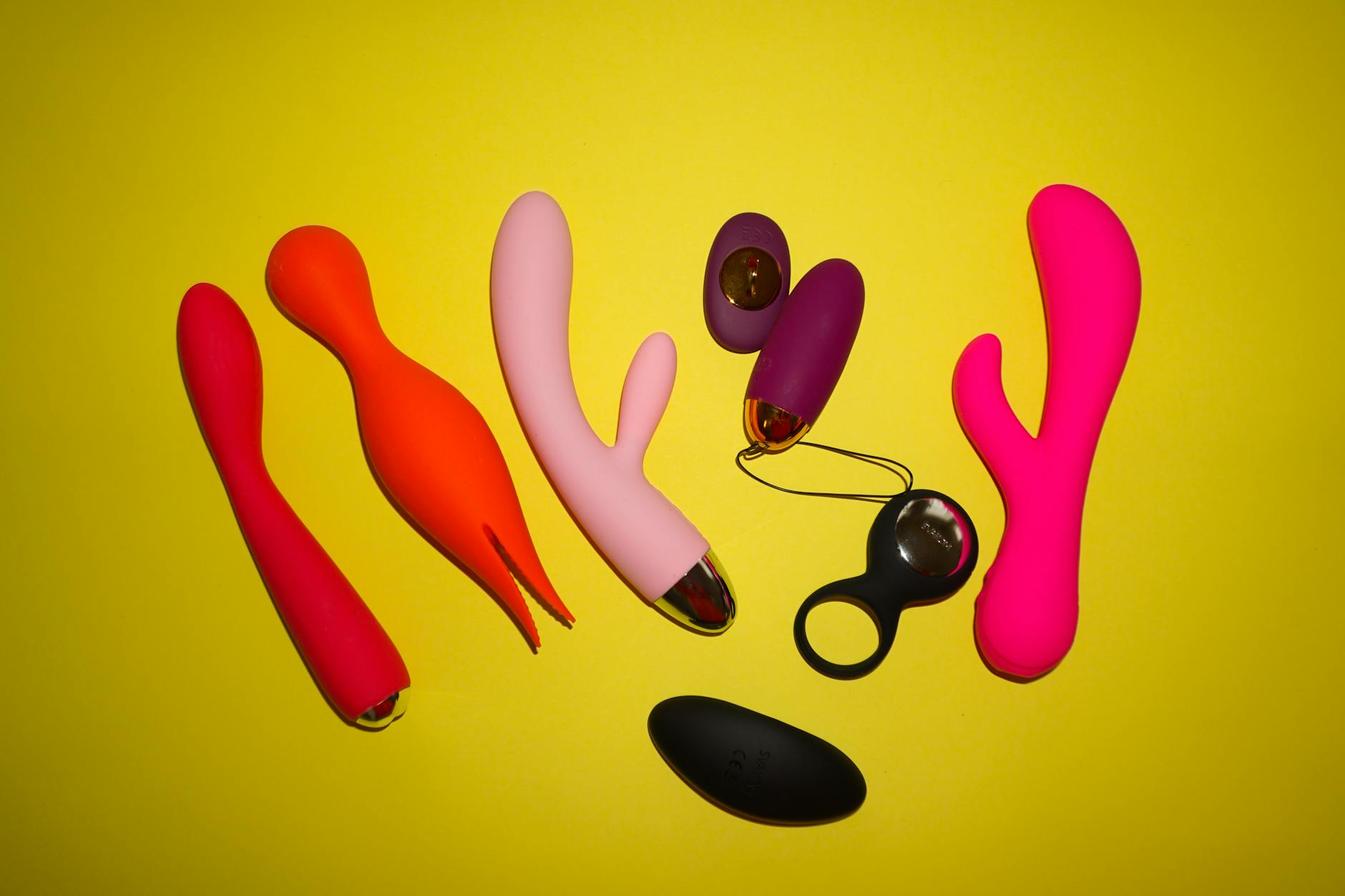
Let's start with what your partner is actually worried about
Here's the thing: when someone says a vibrator is "weird" or "unnecessary," they're usually not talking about the toy itself. They're talking about what they think it means about them, about you, or about what's missing from your sex life. A lemon clitoral vibrator becomes the lightning rod for an entirely different anxiety. Naming that anxiety, separately from the toy, changes everything.
I've worked with hundreds of couples stuck on this exact impasse. The ones who move forward aren't the ones who just bring home a lemon vibrator and hope for the best. They're the ones who actually talk first.
What your partner might really be thinking
"If she needs a vibrator, it means I'm not enough."
That's the core fear, usually unspoken. Men especially absorb the message that their penis (or their fingers, or their efforts) should be sufficient for pleasure. A vibrator feels like proof that they've failed. Women often worry they're "supposed" to want only partnered sex and that wanting a vibrator signals weakness or neediness.
The second worry is simpler: "I don't understand how this works or what I'm supposed to do with it."
That one is actually fixable with 15 minutes of information.
Separate the two conversations completely
Here's what works in practice. Start with the emotional reassurance. Not during sex. Not when you're already frustrated. Have this conversation when you're both calm, maybe over coffee or a walk.
Say something like: "I love having sex with you. That hasn't changed. I'm bringing this up because I want to explore something new together, not because anything is wrong."
That opening does two things. It answers the "am I not enough?" question directly. And it frames the vibrator as something you want to do WITH them, not instead of them.
Then pause. Let them respond. They might ask why you want this, or push back, or just sit with it. That's all fine. Your job right now is listening, not convincing.
Address the actual resistance
If they say it feels "unnatural" or "mechanical," that's fair. Some people feel that way. Ask them what they imagine would feel good instead. Sometimes the resistance isn't really about vibrators. It's about feeling rushed or pressured in general.
If they say it threatens them, don't minimize that. Say: "I hear that. That matters to me because you matter to me. What would make this feel less threatening?" Sometimes the answer is "I want to pick it out together" or "I want to try it first solo, just to see." Let them have agency in how this unfolds.
If they say "Why do we need it? Sex is fine as is," that's often true AND also not the real issue. You might genuinely want variety, or deeper orgasms, or a different kind of stimulation than partnered sex alone offers. Say that plainly. "I think exploring together could be fun" is a complete sentence.
Why a lemon clitoral vibrator specifically
If your partner is skeptical, a lemon vibrator works better than most options because it's not designed to replace anything. It's not a penis substitute. It's a completely different tool that does something penetrative sex simply cannot do as efficiently. Air-suction lemon clitoral vibrators like the Lem work through gentle, rhythmic pulsing patterns rather than vibration. Many partners find that less intimidating because it's clearly not a competitor. It's additive.
You might say: "It's designed to stimulate the clitoris in a way that's different from what we do together. Think of it like how a massage tool isn't replacing my hands. It's just another option."
How to actually use it together
Once they've agreed to try it, start small. Don't introduce it mid-sex if this is the first time. Try it when you're already aroused but there's zero pressure to come immediately. A weekend afternoon, not a Tuesday night when you're both tired.
One of you holds it. The other person receives. Start at the lowest intensity. Most skeptical partners feel a lot less threatened when they're the ones operating it, because they have control. Let them guide the pressure and pattern. That reclaims the sense of agency that a vibrator can accidentally steal.
Keep talking. Not running commentary, but "Does that feel good?" and "Want me to try this pattern?" This isn't romance threatening. It's partnership. It's basically the same communication you'd use if you were adjusting positions.
After, don't over-explain or apologize. Just "That was nice" or "I liked when you did X." Treating it as normal makes it normal.
The common things that actually derail reluctant partners
The toy feels cold. Warm it up under warm water first. This sounds small. It isn't. A cold vibrator makes someone feel clinical.
They feel pressured to make you come. This is huge. If your partner thinks the toy is a performance test, they'll tense up. Explicitly say: "I just want to enjoy this. There's no goal." And mean it.
They're worried you'll prefer it to them. You might enjoy it in a different way, honestly. That's not the same as preferring it. Clitoral stimulation and partnered sex hit different pleasure centers. You can have both. Say that.
They think one session means you now "need" it every time. You don't. It's one option, like switching positions. Sometimes you'll use it. Sometimes you won't. Variety is the actual goal, not dependency.
If they stay resistant after a genuine try
Some partners genuinely won't move on this, and that's information too. It might be worth asking whether the vibrator is the real issue or whether there's a larger intimacy gap you're both tiptoeing around. Sometimes resistance to a vibrator is actually resistance to the conversation about pleasure itself. That's bigger than the toy, and couples therapy can actually help there.
But most of the time, when the conversation happens without defensiveness and the first experience is low-pressure, skepticism softens. Your partner tries a lemon vibrator, notices that you're more responsive, feels some of that pressure lift, and thinks, "Oh. This is actually kind of hot." Not because they suddenly love vibrators, but because they see that it's bringing you pleasure and they get to participate in that.
Common questions partners actually ask
Will using a vibrator make her numb to regular sensation?
No. Your partner's clitoris has about 8,000 nerve endings. A lemon clitoral vibrator stimulates them in a specific pattern. That doesn't rewire sensation or create dependency. You don't become "addicted" to a vibrator any more than your hand becomes weak from using a grip trainer.
Does this mean our sex life is broken?
Not at all. Most couples introduce toys after years of good sex, not because sex is failing. It's usually because someone wants to explore further, not because current sex is bad. Frame it as an upgrade, not a repair job.
Can he use it on her, or does she have to do it alone?
Absolutely he can use it on her. In fact, a partner operating a lemon vibrator often feels less threatening than a woman using it solo because there's no mystery about what's happening. He controls the intensity and pattern. That's sometimes the key to making a skeptical partner feel included rather than replaced.
Will she want it every time now?
Some people integrate toys into every session. Some use them occasionally. It's her preference, just like sometimes you have sex with more foreplay and sometimes with less. It's not an either/or.
What if he's worried about STIs or hygiene?
Totally valid. A lemon vibrator is easy to clean with warm water and mild soap before and after use. If you're using it with partners, washing between is standard. That's not weird. That's basic care.
What if she feels awkward using it in front of him?
Some women do at first. Starting in a dimly lit room with his involvement (him holding it, or him just being present without watching intensely) can help. Awkwardness usually fades after a couple of times. It's like anything new: the strangeness wears off with familiarity.
The bigger picture
Introducing a lemon vibrator to a reluctant partner is really about introducing the idea that pleasure is something you both get to explore, not something one person has to defend or justify. When that conversation lands, the toy becomes almost secondary. It's just a tool for something you're choosing together.
The couples who thrive with this aren't the ones who pushed hardest. They're the ones who listened first, spoke honestly about what they actually wanted, and gave their partner permission to have their own feelings about it without shame. That's the real skill, and it transfers to every other part of your intimate life.
If you're ready to have this conversation, start with curiosity instead of conviction. Ask your partner what they're actually worried about. Listen. Then decide together what the next step looks like. That's the path that actually works.
People also ask
How do I bring up vibrators without my partner getting defensive?
Timing and framing matter enormously. Have the conversation outside the bedroom, when you're both calm. Start by reassuring them that you love your current sex life, then frame the vibrator as something you want to explore together, not because anything is missing. Use "I" statements: "I'm curious about" rather than "We should." That feels less prescriptive.
What if my partner thinks vibrators are for people with dead sex lives?
That's a belief worth gently challenging. Many long-term couples with excellent sex lives use toys because variety increases arousal and novelty. A lemon clitoral vibrator isn't a sign of failure. It's a sign of curiosity. You might say: "Actually, most couples who use toys together say it deepened their connection because they were more open about what they wanted." Sometimes seeing it reframed helps.
Can we use a vibrator if my partner has erectile dysfunction?
Absolutely yes, and often a lemon clitoral vibrator removes pressure from the situation because it's not about his performance. It gives both of you something to focus on that's separate from the anxiety around penetration. Many couples find toys actually reduce ED stress because nobody is watching the clock or waiting for "readiness."
How often should we use it if we decide to try it?
There's no schedule. Some couples use a vibrator in 20 percent of sexual encounters. Others use it more. Others try it once and decide it's not for them. The goal is variety, not routine. Let it evolve naturally instead of making it an obligation.
What if my partner wants to use a lemon vibrator but only alone?
That's completely valid. Some people feel more comfortable exploring solo first, and that's great information. It means they're curious but need less pressure. Let that unfold at their pace. Often, once they've experimented alone, they feel more confident using it together.
If we use a lemon vibrator, does that change how we have sex the rest of the time?
Not necessarily. You'll probably become more comfortable talking about what feels good, which is actually the real benefit. Using toys often opens up conversations about sensation and desire that couples avoid otherwise. That increased communication tends to make all sex better, not just the sessions with a toy.