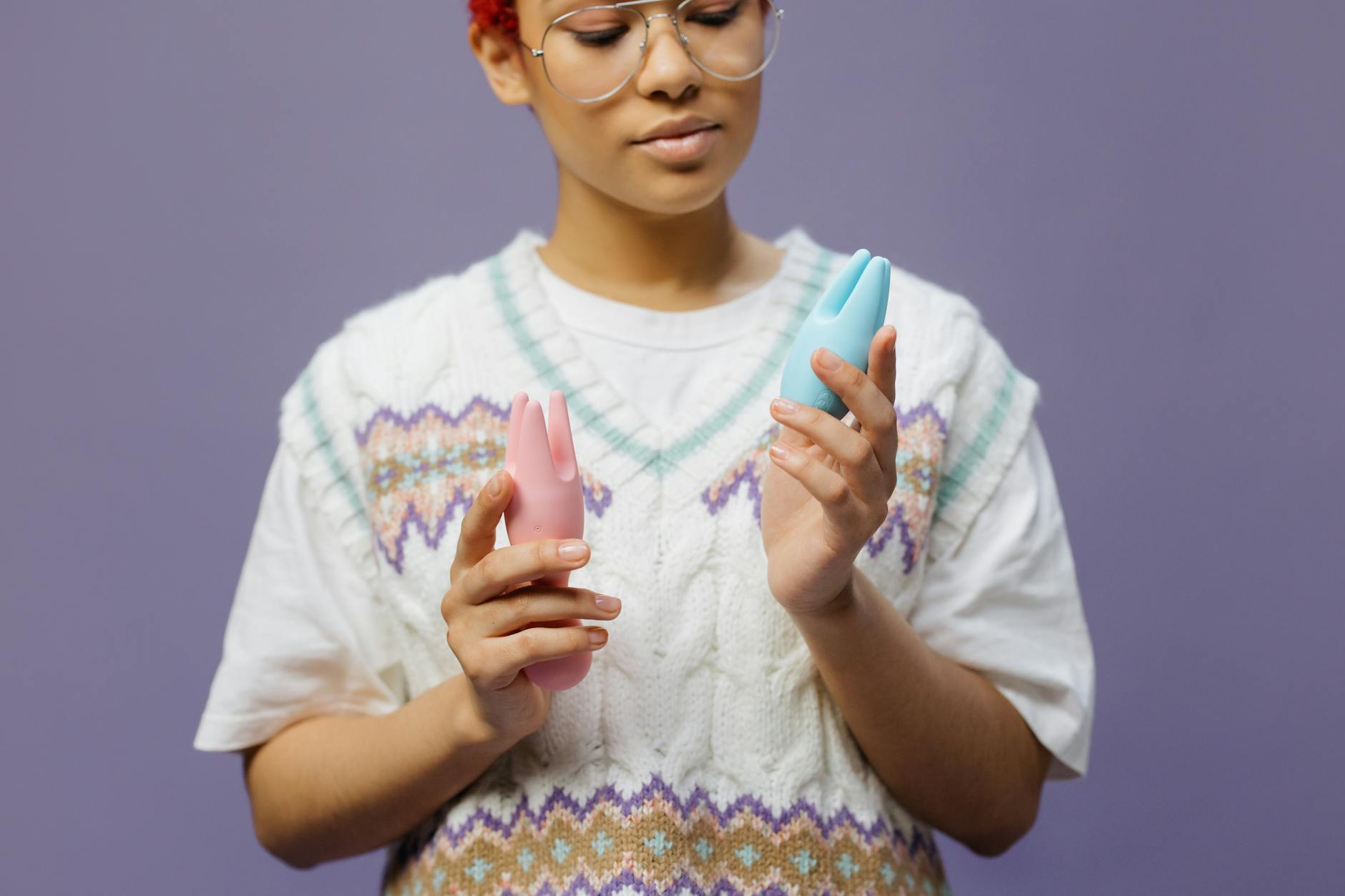
Bringing a lemon vibrator into bed with someone new is not about the toy. It's about trust, and that conversation happens before the toy ever comes out. I've worked with hundreds of couples navigating this exact moment, and the ones who move through it smoothly aren't the ones with the best communication about sex. They're the ones who treat the introduction like any other conversation about what they want.
Here's what I've learned: the discomfort people feel rarely comes from the vibrator itself. It comes from the surprise, the shame, or the feeling that introducing a toy somehow means the partner isn't enough. That's a relationship story, not a pleasure problem. We fix that first.
There's a hard rule I follow with my clients: don't introduce a lemon vibrator during sex for the first time. The moment feels vulnerable enough already. Someone's body is new to you. The pressure is already high. Adding a new sensation when defenses are up turns what could be exciting into something that feels like criticism.
Instead, bring it up outside the bedroom. In a conversation where you're both calm and clothed. The best time is usually 2-3 weeks into dating, once you've had sex a few times and the initial newness has settled. Early enough that it doesn't feel like a secret. Late enough that rejecting the idea won't sting as much.
Honestly, the conversation itself is the hardest part. Most people either over-prepare (writing scripts, overthinking) or under-prepare (blurting it out in bed). The middle ground works: "I love being with you. I also really enjoy using a clitoral vibrator solo, and I'd love to try it together sometime. No pressure at all if that's not something you want."
That's it. The goal isn't to convince them. It's to offer information without making it weird.
"I'd be worried I'm not doing enough for you." This is insecurity, and it's worth addressing directly. You could say: "Honestly, vibrators feel different than manual stimulation. I enjoy both. Using one doesn't mean I want you to stop doing what you're doing." That's true, and it separates pleasure from performance.
"Cool, when?" They're game. Move to logistics and boundaries.
"I'm not sure about that." They need more time or information. Don't push. Circle back in a few weeks. Sometimes discomfort fades once someone has time to sit with the idea.
The goal isn't to get a yes. It's to know where they actually stand instead of guessing.
Assuming your partner is interested, here's the sequence that works.
First time: just show it. Get it out when you're intimate but before you're in the thick of things. Let them hold it, feel the weight, turn it on at the lowest setting (usually 1-3). Hear it. See it in the light. Remove all mystery. A lemon vibrator is just a silicone toy, but the first time someone sees one, their brain fills in gaps with anxiety or assumptions. Let them know what they're actually dealing with.
Second time: use it solo while they watch. This is a game-changer because it teaches them what intensity you enjoy and shows them that you're comfortable with your own pleasure. You get to show, not tell. No pressure on them to perform. They can see exactly where and how long you like it. Many partners report this is when they actually relax, because now it's not hypothetical.
Third time: invite them to use it on you, if you want. Not mandatory. Solo use is totally fine. But if you're open to it, letting them control it is powerful. It puts them in the position of being generous, not replaced. Start at the lowest setting. Tell them exactly what you like: "A little higher on the right side" or "Slower, longer pulses." The specificity matters because it removes guessing and makes them feel competent.
If discomfort shows up at any point (pain, pressure, numbness), stop and check in. This isn't about pushing through. A lemon clitoral vibrator should feel good, and if it doesn't, the settings might be too high, the angle might be wrong, or you might just need a break.
Here's what most people don't know: new partners often want to prove something by using the highest setting immediately. That's ego, and it backfires. Start low. Genuinely low.
If you're using a lemon vibrator like the Lem for the first time with someone else, the first setting (usually 1-3 out of 10) should feel gentle. Rhythmic, not intense. You can always go higher. You can't take back overstimulation.
Tell your partner: "I like to start here and build up if I want more." That gives them permission to stay at lower pressures without feeling like they're doing something wrong. It also teaches them that pleasure isn't a sprint to intensity.
Using a clitoral vibrator with a new partner, especially for the first time, requires you to ask for what you want and accept that they might not want the same thing you do. That's exactly what builds real intimacy.
Most relationship friction doesn't come from differing desires. It comes from assuming your partner knows what you want and then being disappointed when they don't. A conversation about toys, pressure, settings, and timing actually fixes that pattern. You're both practicing asking and answering directly.
Some partners will love it. Some will be neutral but supportive. Some will decide it's not for them, and that's actually fine. What matters is knowing which one you're dealing with instead of guessing.
Discomfort during partnered use is usually one of three things.
Physical discomfort (pain, numbness, overstimulation). Stop immediately. You might need to lower the pressure, change the angle, or just take a break. Some people's sensitivity varies session to session. That's normal. A lemon suction vibrator is intensely focused, and not every moment is right for it. If you're consistently uncomfortable, check your pelvic floor tension. If you're bracing for pain, your body will create it.
Emotional discomfort (feeling self-conscious, worried they're judging you). This usually fades once you've done it a couple times and nothing bad happened. The first time always feels bigger than it is. By the fourth or fifth time, it's just a normal tool in your toolkit.
Relational discomfort (they seem uncomfortable, withdrawn, or resentful). Talk about it directly, not during sex. "I noticed you seemed hesitant earlier. What was that about?" Listen without defending. Sometimes partners need more time. Sometimes introducing toys surface other issues (desire mismatches, resentment about sexual frequency). Those are worth addressing with honesty, and sometimes with a couples counselor.
What if they want to use it on themselves or with you in ways you didn't expect? Great. Be curious instead of defensive. Your partner enjoying a lemon vibrator is not a threat to you. It's information about what brings them pleasure. That information is useful.
Similarly, if they want to use it and you don't, that's fine. You don't have to enjoy everything your partner enjoys. You have to respect that they enjoy it.
Introducing a clitoral vibrator to a new partner works because it's honest. You're saying: "Here's what I like. Here's what I want to try. I'm not sure how you'll feel about it, and I want to know." That's how real partnerships actually form. Not in the fantasy moments. In the moments where you're a little uncomfortable and you do it anyway because the connection matters more than the discomfort.
Completely. Most people feel awkward the first time. That feeling usually dissolves once you've actually done it and realized nothing bad happened. Your partner's reaction is almost always gentler than what you imagined in your head. The vulnerability is temporary. The connection you build from being honest about what you want is lasting.
That concern is common, and it's worth addressing directly in the conversation. You could say: "I enjoy what we do together. I also know what I like when I'm alone, and I want to share that experience with you. They're different things, not a replacement." The distinction matters. A lemon vibrator does something hands and bodies can't do alone. That's not a failure on their part. It's just physics.
Usually 2-4 weeks, once you've had sex a few times and basic comfort is there. Too early and it feels like you're sharing too much before they know you. Too late and it feels secretive, like you've been hiding something. The sweet spot is when you've normalized sexuality between you but the relationship is still young enough to absorb the conversation without it becoming a whole thing.
Start at the lowest setting (1-3, depending on the device). Let them feel what that's like. Most people assume intensity equals pleasure, and it doesn't. Gentle, sustained sensation is often more pleasurable than jarring intensity. You can always increase the setting. Decreasing it after overstimulation is harder, because your body needs recovery time.
No. Hesitation is information. They're not ready, or they're not interested, and neither of those changes by being pushed. What often works is saying, "No pressure at all. But if you ever want to try, I'd love that." Then let it go. Sometimes people become interested once they have time to sit with the idea. Sometimes they don't. Both outcomes are fine. Your pleasure doesn't depend on them being into every tool you like.
Some partnerships aren't right for shared toy use, and that's okay. You can use a lemon clitoral vibrator solo and have a different kind of intimate life with your partner. The goal isn't to force everything into couple's sex. The goal is for both of you to feel good. Sometimes that means separate practices that come together in other ways.
Introducing a lemon vibrator to a new partner is actually a test of whether you can ask for what you want without shame and whether your partner can handle you having desires they're not part of. Those are foundational relationship skills. The vibrator is just the context. Couples who navigate this smoothly don't have better sex. They have better communication. And better communication makes everything else easier.
If you're ready to have this conversation, that's a good sign. It means you know what brings you pleasure, and you're willing to be vulnerable about it. That's exactly what partnerships need to survive the long term.
Want support navigating relationship transitions or sexual communication? Let's talk at Hello Nancy. Reach out here.