Let's talk about what divorce actually does to your nervous system
Divorce is not just a legal event. It's a sustained trauma to the part of your brain responsible for safety, trust, and vulnerability. After years of navigating a relationship that ended, your body learns to protect itself. Sex becomes loaded with memories you didn't consent to holding. Desire stops showing up because showing up feels dangerous.
Then you start dating again and suddenly everyone wants to know why you're "gun shy" or "guarded." What they don't understand is that your body is doing exactly what it should do. It's protecting you. The problem is that protection has now become the biggest barrier between you and pleasure.
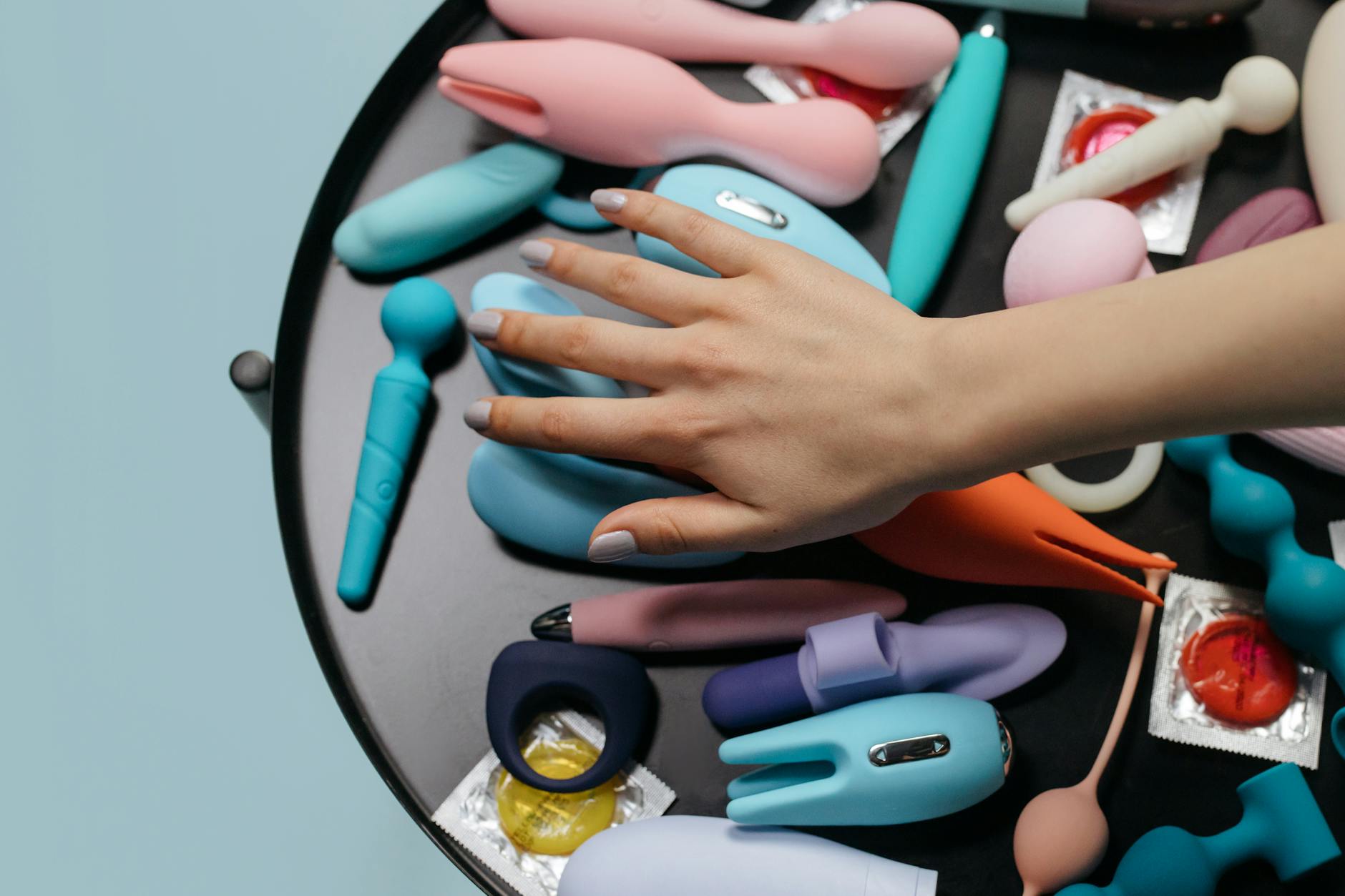
Here's the thing: a lemon clitoral vibrator can reset that. Not through magic, but through biology. When you use a lemon vibrator alone, on your own timeline, without anyone's expectations involved, you start teaching your nervous system that vulnerability can exist without threat. That pleasure is yours to claim. That your body belongs to you before it belongs to anyone else.
Why pleasure work matters before dating work
Most people jump back into dating after divorce thinking they just need to "get back out there." What they actually need is to rebuild sovereignty over their own body. After living in a relationship where your pleasure was often secondary, negotiated, or just forgotten, you've lost the map to what you actually want.
Using a lemon vibrator alone is how you redraw that map. It's not therapy (though it can support therapy). It's not a substitute for processing grief and anger with a trained professional. What it is: a direct communication channel between your conscious mind and your body's actual capacity for sensation.
When you orgasm with a lemon adult toy while you're alone and safe, something shifts. Your brain registers pleasure as something you can create, control, and invite. Not something that happens to you or something you have to earn. That's a completely different neurological state than the one you're probably in right now.
Setting up the conditions that work
You're not going to find the right settings or rhythm on a lemon vibrator if you're still in crisis mode. Divorce recovery has a timeline, even when people tell you there's no "right" timeline. In the first 6 months, your nervous system is in fight-or-flight. Pleasure is not accessible because safety is not accessible.
I'm not saying wait a year before touching a lemon clitoral vibrator. I'm saying be honest about which phase you're in. If you're still in the acute grief phase, using a vibrator is going to feel mechanical or hollow. That's information. Wait another month. Let your body settle.
Once you're past acute crisis, usually around the 6-to-9-month mark for most people, your nervous system starts to have bandwidth for sensation again. That's the window to start. Here's what actually helps:
Set aside 30 to 45 minutes when you're completely alone. Not rushed. Not "before work." Block it off like it's a real appointment with yourself. Physically lock the door if you need to. Your body needs to know that no one can interrupt you.
Start with your body first. Spend 10 minutes just feeling your skin. Scalp, neck, collarbone, chest. This is not foreplay. This is an autonomy check. You're reminding your nervous system that your body is yours and that sensations that feel good are safe.
Then introduce the lemon vibrator. Start on the lowest setting. Don't aim for orgasm. Seriously. Aim for sensation. Some people after divorce have difficulty with orgasm because their body learned not to let go. Chasing the orgasm turns it into another performance metric. Instead, be curious. What does this feel like? Does it feel good, neutral, or uncomfortable? All three answers are valuable data.
Common friction points and how to work through them
Guilt shows up a lot when people use lemon sexual toys after divorce. It sounds like: "I shouldn't be enjoying this while he's struggling" or "This feels selfish when the kids are going through this." That guilt is the divorce still running your life.
Here's what I tell clients: your pleasure is not punishment for your ex. Your pleasure is not indulgence. Your pleasure is reclamation. The person who suffered the most in your marriage is not your ex. It's you. You lost years to a relationship that stopped working. You owe yourself this. Not as revenge. As repair.
Desensitization is another one. After using a lemon vibrator consistently, you might notice you need more sensation to feel it. That's actually normal and fixable. It means take three to five days off. Let your nerve endings reset. When you come back to it, the sensation will be acute again.
Some people also feel numb during the experience. This is extremely common after divorce because your body learned not to feel in order to protect itself. Numbness is not failure. Numbness is your body saying "I'm not safe enough yet to be fully here." That's when you stop, take a breath, and notice what would make your body feel safer. Sometimes it's a different room. Sometimes it's turning on soft music. Sometimes it's just coming back to it another day.
Building the neurological pathway to wanting again
There's a concept in neuroscience called "reward prediction." Your brain learns that a certain action leads to a pleasurable outcome, and over time, just thinking about that action triggers anticipation. Desire is built on reward prediction.
Divorce breaks this. Your brain's reward circuits around intimacy get scrambled. Using a lemon vibrator consistently is how you rebuild those circuits. When you use it and experience pleasure reliably, your brain starts to predict pleasure again. You'll notice yourself thinking about it during the day. Your body will respond with arousal when you see it. That's your nervous system healing. That's desire coming back online.
This is also why consistency matters more than intensity. Using a lemon clitoral vibrator twice a week for 20 minutes is more effective for nervous system rewiring than once a month for an hour. Your brain needs repeated, safe evidence that pleasure is available to you.
The transition moment: when you're ready to date again
At some point, you'll notice that you've been thinking about dating. Not fantasizing, necessarily, but genuinely curious about someone. That's usually the sign that your nervous system has healed enough for another person to be safe.
Here's what changes: you now know what your body feels like when it's truly aroused. You know the settings and sensations that work. You know what a real orgasm feels like when there's zero pressure. That becomes your baseline for "is this good for my body or not." If a new partner doesn't create conditions where pleasure is accessible, you'll notice it immediately. You won't settle. You can't unsee your own capacity for sensation.
Before new dating, you might have said "okay, I'll compromise" because you weren't sure what you deserved. After you've spent months with a lemon vibrator teaching you exactly what good sensation feels like, you'll know. And that's the protection you actually need. Not walls. Standards.
When to bring this into conversations with a new partner
You don't owe anyone a description of your pleasure practice. Ever. If a partner asks directly, you can decide what to share. Some people say nothing. Some people say, "I've been working on rebuilding my relationship with my body after divorce and that's been helpful." Some people say, "I have tools that work for me and I'd like to keep using them." All three are fine.
If you want a partner to be part of the experience at some point, that's a conversation for later. Much later. After trust has been built. After you've tested whether this person can hear about your body's needs without making it about them. Not every partner will be ready for that conversation, and that's information too.
FAQ
How long after divorce should I wait before using a lemon vibrator?
There's no universal timeline, but most people need about 6 months for acute crisis to settle before pleasure work feels accessible. If you're still in active legal battle or living with your ex, wait. If you're in a safe space and curious, try. If it feels hollow or numb, give yourself permission to pause and try again later. Your body will tell you when it's ready.
Can using a lemon clitoral vibrator alone make dating harder because I'll have higher standards?
Yes, and that's the point. After you've experienced genuine pleasure and genuine agency, settling for less becomes visibly uncomfortable. That's not a liability. That's a feature. You'll make better choices in partners because you won't confuse absence of red flags with genuine compatibility.
What if I feel ashamed using a lemon sexual toy after divorce?
Shame is often inherited from the marriage itself. In many divorced relationships, women's pleasure was treated as optional or even threatening. Using a lemon vibrator is an act of reclamation. The shame is not yours to carry. If it's overwhelming, talk to a therapist about what messages you internalized. But don't let those old messages control your body now.
Is it normal to need increasingly intense settings on my lemon vibrator over time?
Yes, this is called habituation and it's a normal neurological response. Your nerve endings adapt. The fix is simple: take a few days off and let them reset. When you come back, the lower settings will feel intense again. You don't need to escalate permanently.
Should I tell a new partner I've been using a lemon vibrator alone?
Only if you want to. This is your private practice. Some people never mention it. Some people bring it up naturally after several months of dating and trust is established. Some people show their partner and suggest using it together. All three approaches are valid. Follow what feels right for your timeline and the person.
Can a lemon clitoral vibrator replace therapy after divorce?
Absolutely not. But it can complement therapy beautifully. Therapy processes the emotional and relational patterns that led to divorce. A lemon vibrator rebuilds your body's trust in its own capacity for sensation and safety. Both matter. They work together, not instead of each other.
You're rebuilding more than just desire
What you're actually doing with a lemon vibrator during this phase is rebuilding consent. You're teaching your nervous system that your body can say yes to sensation safely. That pleasure belongs to you before it belongs to anyone else. That vulnerability doesn't always lead to harm.
Divorce stripped you of assumptions you didn't know you were making about love, trust, and partnership. A lemon clitoral vibrator is small and specific, but what it represents is enormous: your body is yours. Your pleasure is yours. Your timeline is yours.
Take your time. The rush to get back to dating, back to normal, back to partnered sex is the culture talking, not your actual nervous system. You healed a broken marriage. You can definitely afford to spend six months learning what your own body actually wants. Start there. Everything else follows.