Here's what nobody talks about with hormonal numbness
You used to feel everything. Now pleasure arrives like a distant rumor. It's not that you've lost interest. It's that the signal got turned down, and you can't figure out how to turn it back up.
Hormonal shifts are sneaky this way. Whether it's birth control, antidepressants, perimenopause, or just the aftermath of major life stress, the physical sensation can flatten faster than you'd expect. And because nobody warns you this might happen, you end up blaming yourself instead of your body.
Here's the reality: when hormones shift, the tissues involved in arousal literally change. Nerve sensitivity can drop. Blood flow patterns shift. Your brain's reward circuitry reorganizes. This isn't weakness or broken desire. It's biochemistry. And it's fixable.
Why hormonal changes numb sensation in the first place
Estrogen and testosterone both play major roles in how your nervous system registers sensation. When either one shifts, your body has to recalibrate.
With birth control, especially hormonal contraceptives, you're essentially running on a lower baseline of circulating hormones. Your tissues stay in a slightly less engorged state. Nerve sensitivity can soften. Some people adapt quickly. Others report that sensation never quite comes back until they switch methods.
Antidepressants work a different angle. SSRIs and SNRIs can dampen the signals that fire during arousal. This isn't a side effect of the medication failing. It's often how the medication works at all. It's also almost always reversible if you adjust your approach.
Perimenopause and menopause introduce hormone chaos. Estrogen bounces around wildly before it drops, and during that time, some people report numbness or delayed arousal. Once levels stabilize lower, many find sensation returns because the body settles into a new normal.
The thread connecting all of these: your nervous system is waiting for a strong enough signal to notice. A light touch doesn't register. A standard vibrator might not be enough stimulus. Your body isn't broken. It's just asking for more information.
Why lemon clitoral vibrators work differently here
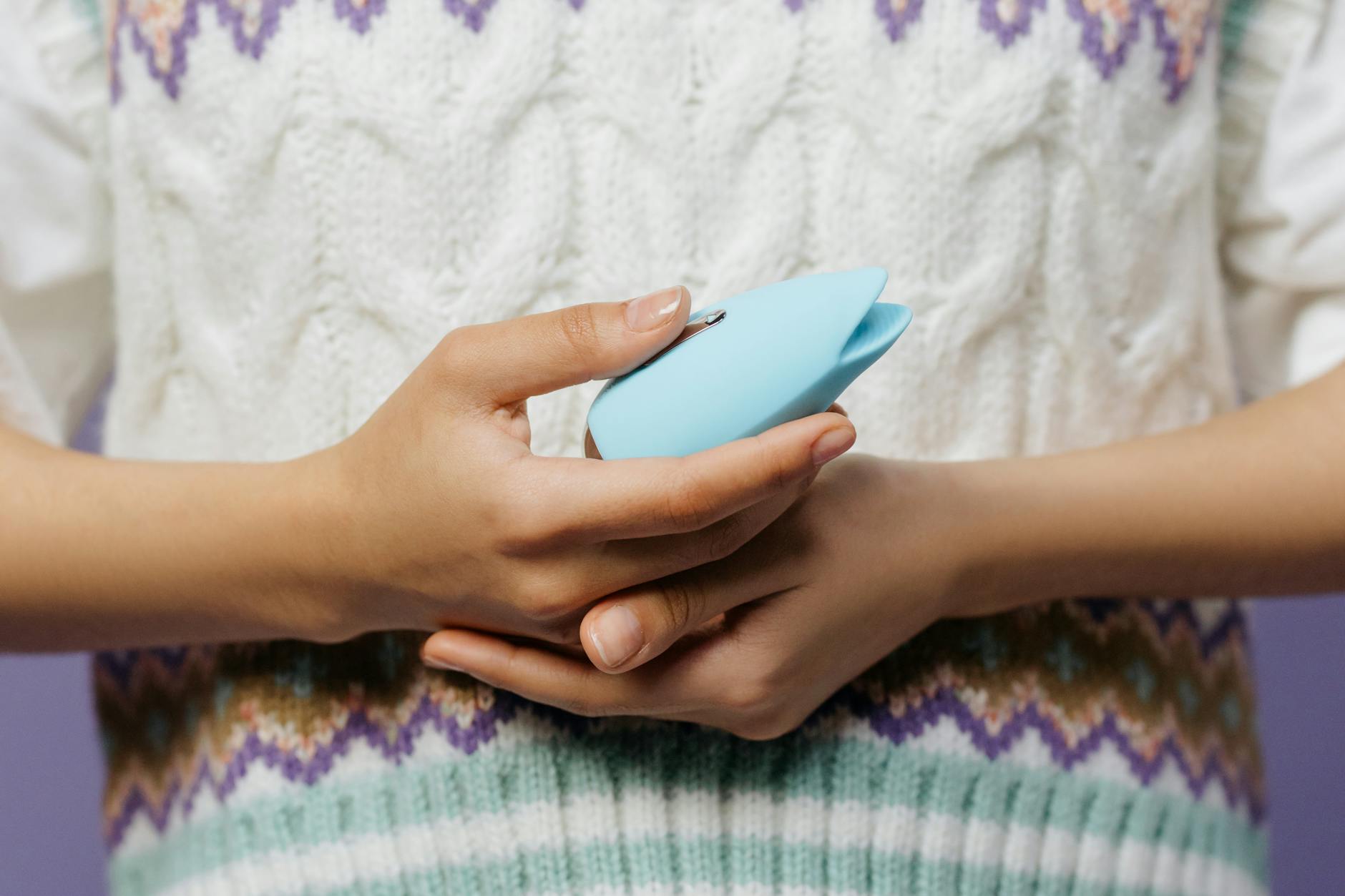
This is where the design of a lemon vibrator becomes important. Unlike traditional vibrators that rely on rapid vibration alone, the lemon sucker uses gentle pulsing suction combined with micro-vibration. That combination creates a different kind of stimulation that penetrates deeper without requiring extreme sensitivity.
Think of it this way: if your nervous system is waiting for a strong enough signal, suction creates a broader, more persistent pressure wave instead of relying entirely on vibration frequency. For people working with hormonal numbness, that difference is often the difference between feeling something and feeling nothing at all.
The suction also tends to feel less irritating on tissue that's already depleted or less elastic from hormonal changes. You're not friction. You're gentle, consistent pressure. That matters when sensation is fragile.
Step one: start lower than you think you need to
Your impulse will be to dial the intensity up fast. Resist that.
When pleasure is numb, the instinct is to match that numbness with maximum intensity. But that usually backfires. You end up chasing sensation instead of finding it. Your tissue gets irritated. You feel more nothing, not more sensation.
Instead, start on the lowest setting of your lemon vibrator and spend at least ten to fifteen minutes there. Let your body warm up gradually. Let blood flow redirect. Let your nervous system recognize there's something to pay attention to.
Suction toys are good at this because they're less aggressive than you'd expect from looking at them. The pressure builds slowly. You can stay with that low setting long enough for your body to actually wake up.
Step two: extend your warm-up runway
When sensation is flat, arousal takes longer. Not because you're not aroused. Because your body needs more time to translate interest into physical response.
Budget twenty to thirty minutes before you ever reach for your lemon clitoral vibrator. Read something that interests you. Touch yourself without the toy. Get your mind involved in ways that don't require immediate physical payoff.
This is not foreplay in the traditional sense. This is permission. You're telling your body there's no rush, no deadline. That relaxation matters more to your nervous system right now than intensity does.
When you do introduce the vibrator, you're not starting from zero. You're continuing a conversation that's already begun.
Step three: pattern matters more than power
Many lemon vibrators have multiple patterns built in. Steady pulses, waves, escalating patterns. When sensation is dulled, patterns often register better than straight vibration.
There's something about the rhythm that engages your nervous system differently than a constant hum. It's the same reason a song moves you more than white noise. The variation keeps your brain interested.
Start with the simplest pattern. Don't jump between them constantly. Stick with one for several minutes. You're teaching your body to recognize this as pleasurable input worth paying attention to.
Step four: angle and pressure are your real tools
If you're using a lemon suction vibrator, angle matters. Direct pressure straight on isn't always the sweet spot, especially if tissue is sensitive or sensation is dormant.
Try slight angles. Try rocking gently instead of holding it still. Try a slower motion that emphasizes the suction sensation over the vibration.
You're not looking for the fastest path to orgasm. You're looking for the path that produces the most sensation right now. That might take experimentation. That's fine. This is information gathering.
When to add lubrication
If hormonal changes have also affected natural lubrication, external lubricant matters for comfort and to help sensation register better.
Water-based lube works perfectly with lemon vibrators and silicone toys. It also creates a smoother contact surface, which means your nervous system gets clearer information from the stimulation.
Don't skip this step thinking you should be naturally lubricated by now. Hormonal numbness often comes with drier tissue. Adding lube is practical, not a sign something's wrong with you.
Patience with the process
Sensation usually comes back gradually. You might not feel a dramatic difference in session one. Session three or four, you'll notice your body responding faster. By week two, you'll probably recognize you can feel more nuance than you could before.
This is your nervous system rewaking, not your desire returning. Those are sometimes the same thing. Sometimes they're separate. Either way, the pattern of practice helps.
If you're on an antidepressant or hormonal birth control, check with your prescriber if sensation doesn't improve after three to four weeks of consistent practice. Sometimes a dose adjustment or a different medication helps. Sometimes it just takes time.
The role of your partner, if there is one
If you're working with a partner, they might notice the numbness before you're comfortable talking about it. That's worth addressing directly.
The temptation is to interpret numbness as lack of interest. "You don't seem into this anymore." That lands as rejection, even if sensation is purely a nervous system thing.
Instead, name it explicitly: "My body's responding differently right now because of my hormones and medications. That's not about you or us. Here's what helps me feel more." Then show them. Introduce your lemon vibrator as part of your shared experience, not as a workaround or admission of failure.
Many couples find that rebuilding sensation together actually deepens connection because you're both paying attention and communicating clearly. That's not a small thing.
FAQ: Common questions about hormonal numbness and lemon vibrators
Will sensation come back on its own without a vibrator?
Sometimes. Depends entirely on the cause. If it's birth control related, you might regain full sensation by switching methods or giving your body time to adjust. If it's medication-related, changing the dose or timing can help. If it's stress-related, relaxation often brings it back. But even when it will come back on its own, using a lemon clitoral vibrator during the transition helps. You're not waiting around feeling nothing. You're actively engaging your nervous system, which often accelerates the process.
How long does it usually take to notice improvement?
Most people notice a shift within two to three weeks of consistent practice, assuming the underlying cause stays the same. If you've also changed birth control or medication, give yourself four to six weeks because your body's still adjusting overall. Patience here beats urgency.
Can using a vibrator make numbness worse?
No, but using the wrong intensity can feel discouraging. Starting too high, pushing too hard, or expecting immediate results can make you feel like sensation isn't coming back when it's actually just building. That's why starting low and patient matters so much.
What if I'm on an antidepressant and arousal is completely flat?
Talk to your prescriber first. Sometimes the timing of your dose matters. Sometimes a different medication in the same class works better for you. Sometimes a small addition to your regimen helps. Your doctor needs to know this is happening so they can support you. Meanwhile, your lemon vibrator can be part of your ongoing practice, especially if you pair it with relaxation work and clear communication with any partners.
Does this work the same way for everyone or do people experience different results?
Results vary because hormonal systems are complex and individual. What causes numbness in one person might be completely different from what's causing it in someone else. A lemon suction vibrator's design helps a lot of people, but not everyone. If you're not noticing improvement after three weeks of consistent, low-pressure use, it might be worth checking in with a healthcare provider to rule out other causes.
Can I use a lemon vibrator if I'm also taking hormone-balancing supplements or herbal remedies?
Yes. A lemon vibrator is a tool for sensation, not a medication. You can use it alongside whatever other approaches you're taking to address hormonal balance. Just know that physical sensation and arousal sometimes take time to return even after the hormonal issue is addressed, so the vibrator helps bridge that gap.
The real timeline
Hormonal numbness isn't permanent, but it also isn't instant to fix. Your body is reorganizing around new chemical signals. A lemon clitoral vibrator helps by giving your nervous system something clear to practice recognizing. Combine that with patience, communication, and the understanding that this is temporary, and most people find their way back to pleasure.
You're not broken. Your body's just asking for a different kind of attention right now. Give it exactly that.