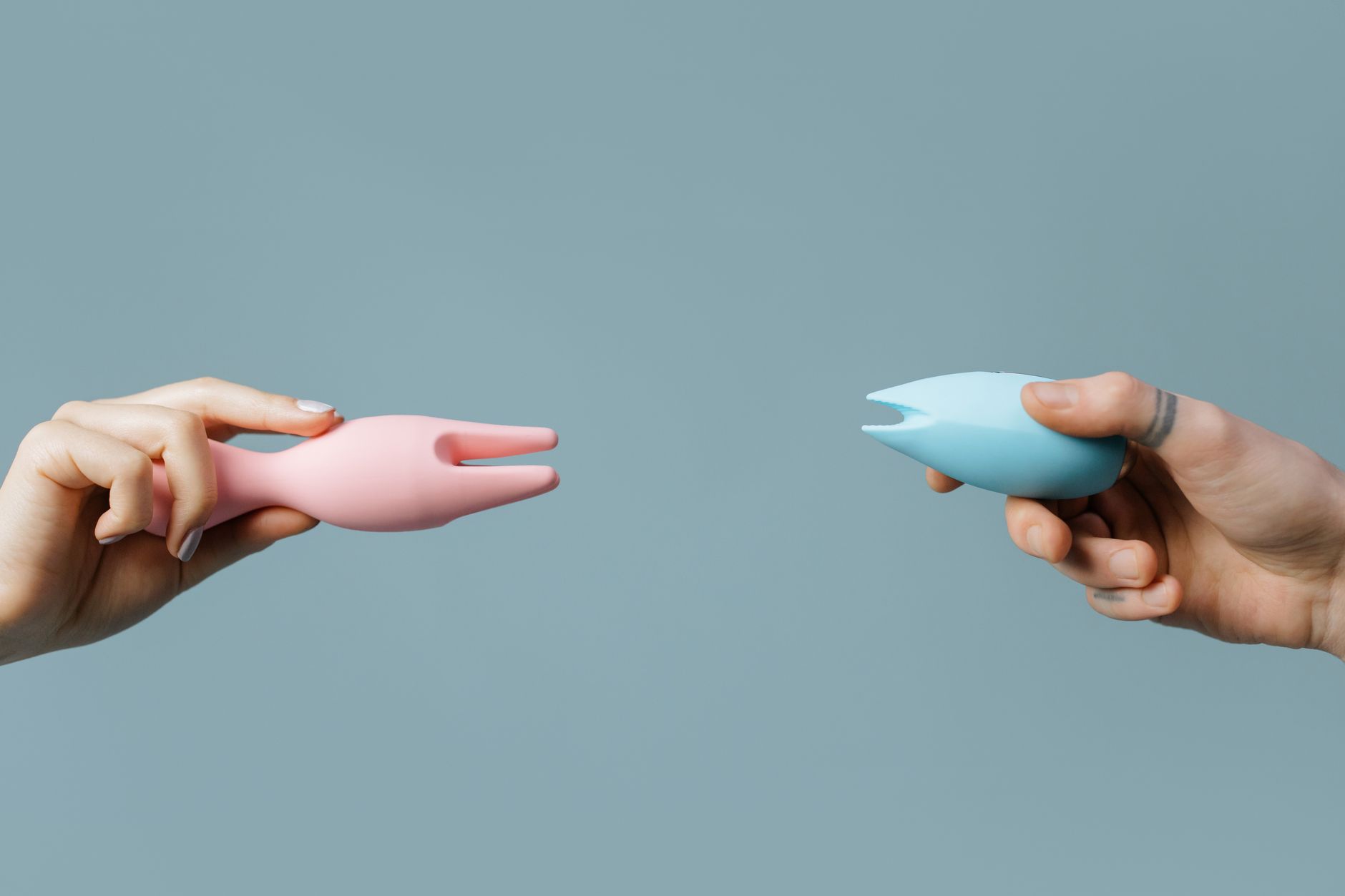
How to Use a Lemon Vibrator When Cycling Affects Your Pelvic Floor Tension
Here's what nobody tells cyclists: the same muscles that keep you stable on a 40-mile ride are the ones that shut down pleasure. Your pelvic floor is gripping.
If you've logged serious saddle time, you know the feeling. Even off the bike, there's a baseline tension in your pelvis that doesn't fully release. It changes how orgasms feel. It changes how long warm-up takes. It changes what your body actually wants when you reach for a device like the Lem.
I'm going to walk you through what's happening physiologically, why clitoral vibrators work differently when your pelvic floor is locked, and exactly how to use one without making the tension worse.
Why cycling creates pelvic floor tension
Cycling does two things to your pelvic floor: it compresses it and it trains it to stay contracted.
The saddle pressure is obvious. But the bigger culprit is the position itself. Cycling requires your core to be engaged for balance and power transfer. That core engagement includes your pelvic floor. You're not consciously flexing it, but you're using it as a stabilizer for hours at a time. Over weeks and months, your nervous system learns that this is the resting state.
Then you step off the bike and your pelvic floor... doesn't step off. It stays there, holding tension like it's still steadying you through a climb.
This is especially true for endurance cyclists. Road riders who spend 8-15 hours per week on the bike tend to have the tightest pelvic floors I see in my practice. Mountain bikers sometimes have it worse because technical riding requires even more active stabilization.
What happens to sensation when your pelvic floor is tight
Your pelvic floor muscles surround your clitoris and vagina. When they're chronically tense, sensation flattens. It's like trying to feel texture through a clenched fist.
People describe it like this: "Nothing feels as intense," or "I have to use higher pressure to feel anything," or "Orgasms are happening but they feel muted."
That's not a libido problem. That's a neuromuscular problem. Your nervous system isn't receiving signals clearly because the muscles are too tense to relax and receive.
There's also a timing issue. If your pelvic floor can't fully relax between contractions, arousal takes longer to build. You might need 20-30 minutes of warm-up instead of 10 because your body is fighting against its own baseline tension.
How a lemon vibrator approach needs to shift
If you've been using a lemon clitoral vibrator without accounting for pelvic floor tension, you might've noticed that going straight to higher pressure settings doesn't actually feel better. You just feel more pushing. That's because you need the device to help your pelvic floor learn to relax, not to override the tension.
This is the key reframe: the vibrator isn't the main event. It's the tool for downregulation.
Start with lowest settings. On the Lem vibrator, that means pattern 1 or 2. The suction motion at low intensity is enough to create sensation without triggering your pelvic floor to contract harder. You're teaching your nervous system that this touch is safe and doesn't require defense.
Slower warm-up, longer duration. Give yourself 15-25 minutes before expecting arousal to peak. This isn't wasted time. Your pelvic floor is learning to relax. That learning is the point.
Focus on sensation, not goal. If you're used to cycling, you're used to power output metrics. Orgasms aren't the measure here. Ease is. Can you feel the vibration clearly without your pelvic floor tensing in response? That's progress.
The pelvic floor release practice that changes everything
Before you use any vibrator, spend 3-5 minutes on release work.
Lie on your back with knees bent, feet flat. Place your hands on your lower belly just inside your hip bones. Breathe in for a count of 4. On the exhale, imagine your pelvic floor is an elevator descending. Not clenching, not pushing. Just releasing downward.
Do this 8-10 times. You're signaling to your nervous system: "We're not cycling right now. We're safe. You can let go."
Then spend another 2-3 minutes just noticing the sensation of relaxation. Feel the weight of your pelvis into the floor. Feel your sitting bones spread. This is the baseline you're training your body to return to.
After this practice, your pelvic floor is primed to respond differently to touch. The vibrator will feel clearer. Arousal will build faster. This is why cyclists often say their best experiences come after dedicated pelvic floor work, not just adding more pressure.
Pattern and intensity progression that works
Don't go higher. Go slower instead.
Week 1-2: Stick to pattern 1 on the Lem. Use it for 8-10 minutes as part of your release practice. The goal is sensation mapping, not orgasm. Your pelvic floor is learning what relaxation feels like under stimulation.
Week 3-4: You can move to pattern 2. Stay here for 1-2 weeks. Still no pressure to orgasm. You're building tolerance to pleasure without tension.
Week 5+: Now you can experiment with higher patterns, but only if your pelvic floor stays relaxed. The moment you feel it gripping, back down. You've hit your threshold. Stay there until it becomes normal.
The whole point is that pressure ≠ progress. Tension release is progress. A clitoral vibrator that helps your pelvic floor stay loose is doing its job perfectly.
When to bring your partner in (or not)
If you're partnered, the most helpful thing they can do is understand that you need 20-30 minutes of warm-up. That's not "taking forever." That's physiologically necessary when your nervous system is trained to brace.
The second most helpful thing is patience with lower settings. If your partner is used to you being able to orgasm quickly at high intensity, they might be confused by the shift. This is a good conversation to have outside the bedroom. "My pelvic floor is tight from cycling. I need longer warm-up and lower pressure. This isn't about you. This is about my body's needs right now."
If you're solo, you have the freedom to explore this without explaining. Use the time to get to know your body in a new way. What does relaxation feel like? What patterns create the clearest sensation? What pressure is actually enough?
Other things that help more than you'd think
Bubble baths or warm soaking before using a vibrator. Heat relaxes muscle tension in a way that cool air doesn't. Spend 15 minutes in warm water, then use the Lem while you're still loose.
Stretching your hip flexors and glutes. Tight hips lock your pelvic floor. If you're cycling 8+ hours per week, your psoas is probably chronically shortened. Spend 5-10 minutes on hip opening. You'll feel the difference immediately.
Pelvic floor physical therapy if the tension is severe. A real PT can assess whether you have hypertonicity and teach you targeted release work. This is especially worth it if you've been cycling at high mileage for years.
Low-pressure days. Build rest days into your cycling schedule where you don't clip in at all. Your pelvic floor needs days where it's not stabilizing. Those are often the days when pleasure comes easiest.
FAQ
Can I use a lemon vibrator right after a long ride?
No, not in the way you normally would. If you've just finished a hard ride, your pelvic floor is maximally tense and fatigued. Wait 3-4 hours, do your release practice, then try a low-intensity session. Using a vibrator immediately post-ride when everything is clenched will only reinforce the tension pattern. You want to use it when your body is primed to receive.
Will using a lemon clitoral vibrator make my pelvic floor tighter?
Not if you're using appropriate intensity. High pressure or high frequency vibration against an already-tense pelvic floor can reinforce bracing. But low-pressure suction on the Lem is specifically designed to relax rather than provoke. It's the pressure that matters, not the vibration itself.
How long before my pelvic floor tension improves enough to feel normal again?
Redecorating your nervous system takes time. Most cyclists notice improvement in sensation and arousal speed within 2-3 weeks of consistent low-pressure use plus pelvic floor release work. Real transformation takes 6-8 weeks. But you'll feel differences much sooner if you're paying attention.
Can I keep cycling while retraining my pelvic floor?
Yes, but you might need to modify. If you're in the middle of race season or high mileage training, your pelvic floor won't fully relax. It can't, because you're asking it to stay engaged. If you want real pelvic floor recovery, take 2-3 weeks at lower mileage. Then return to full training. Your pelvic floor will respond better long-term.
Does the Lem work better than other vibrators for this?
The suction motion of the Lem is gentler than direct vibration, which makes it a better choice for someone with pelvic floor tension. The pattern variation also lets you start absurdly low-pressure. Other clitoral vibrators might not have that range. But any device with a low enough starting intensity can work if you're disciplined about not turning it up.
What if I'm still not feeling much after 4 weeks?
That suggests the tension is deeper than typical cycling-induced bracing. Pelvic floor physical therapy is the right next step. A PT can assess whether you have true hypertonicity, trigger points, or nervous system dysregulation that needs hands-on treatment. A vibrator is a tool for learning relaxation, not a treatment for clinical pelvic floor dysfunction.
The real thing that changes
You're not broken. Your pelvic floor has just learned to stay on guard. Using a lemon vibrator while cycling is possible, but only if you meet your body where it actually is, not where you wish it were.
Start low. Stay slow. Let your nervous system learn that pleasure doesn't require tension. Then everything else follows.
If you have questions about how to integrate this into your routine, or if something isn't shifting after a few weeks of practice, reach out. That's what I'm here for.
Evelyn Granieri is a licensed marriage and family therapist specializing in relationship dynamics and emotional intimacy. She works with couples navigating physical, emotional, and lifestyle transitions.