How to Use a Lemon Vibrator During Perimenopause When Sensation Shifts
Let's start with what's actually happening
Perimenopause is messy. It's not one switch flipping. It's a decade-long slow burn where your hormones are inconsistent, unpredictable, and actively working against you some days. Sensation shifts. Arousal takes longer. Orgasms feel different, sometimes weaker, sometimes absent altogether. And nobody explains this clearly, which means most people assume they're broken. They're not.
I've worked with hundreds of people navigating this transition, and the honest truth is that perimenopause changes how your body responds to pleasure. But it doesn't end it. This is not metaphorical. It's neurological.
Why sensation actually changes during perimenopause
Estrogen doesn't just regulate your cycle. It thickens vaginal tissue, maintains lubrication, supports blood flow to the vulva, and affects how your clitoris responds to touch. When estrogen becomes erratic during perimenopause, all of that becomes erratic too.
Your clitoris contains thousands of nerve endings. Those don't disappear. But the tissue surrounding them gets thinner and less engorged, which means the same amount of stimulation registers differently. It's not weakness on your part. It's a physiological shift.
Here's what most people miss: testosterone drops during perimenopause too. This is critical because testosterone drives baseline desire, the motivational wanting that makes pleasure feel worth pursuing. When both hormones are bouncing around unpredictably, your entire pleasure landscape changes.
How the lemon clitoral vibrator changes what you need
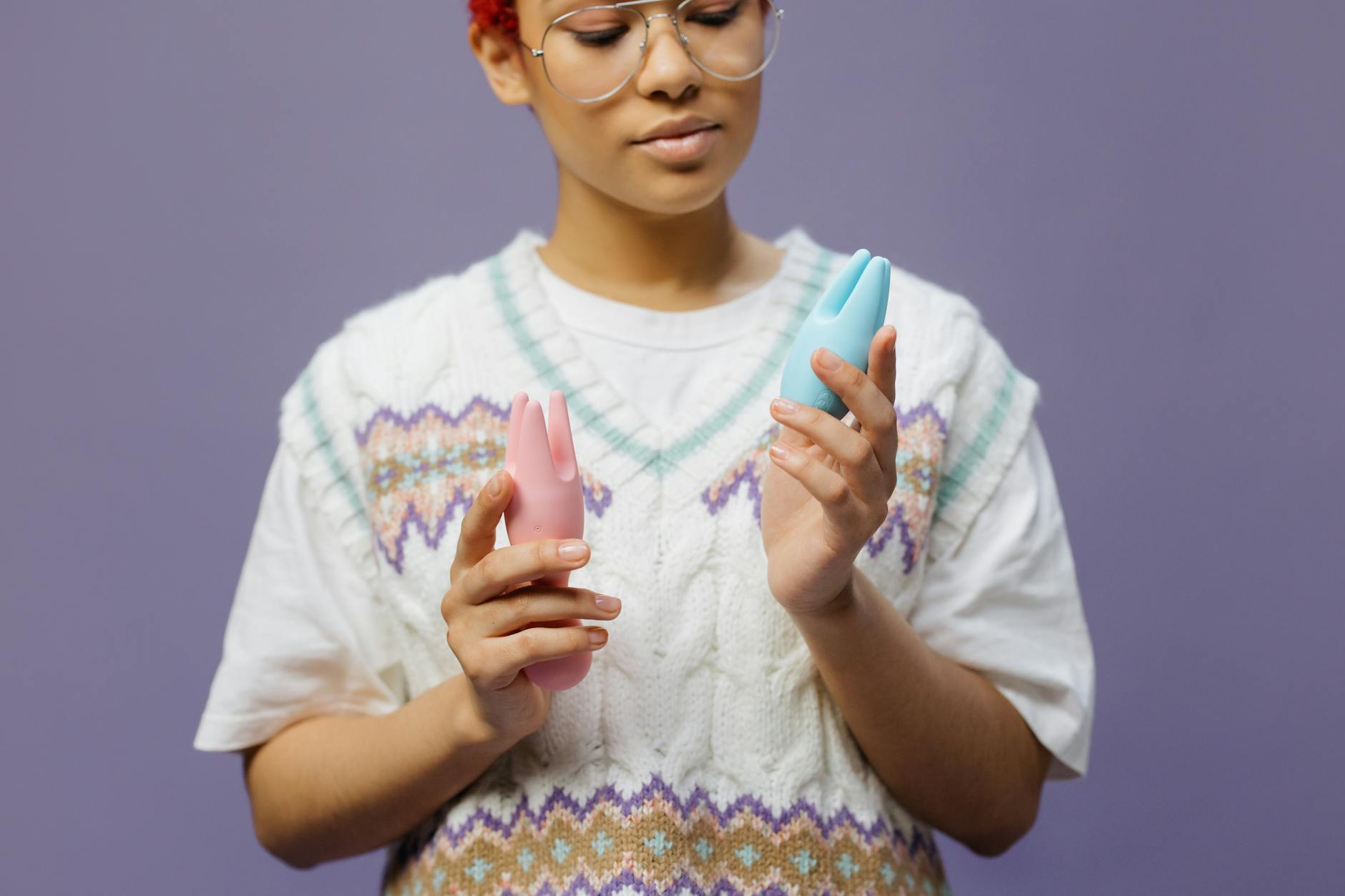
A clitoral vibrator like the Lem works differently than manual stimulation. It delivers consistent, rapid micro-movements that activate nerves even when tissue is thinner or less engorged. This is not a workaround. This is actually an advantage during perimenopause.
Why. The Lem uses suction and pulsing patterns rather than traditional vibration. That matters because suction creates gentle pressure that doesn't require thick, engorged tissue to feel intense. You're not depending on your natural lubrication or engorgement to register sensation. You're relying on nerve activation, which your body can absolutely still do.
This is why many people find that lemon vibrators or suction-based clitoral vibrators feel more responsive during perimenopause, not less. The tech actually compensates for what hormones are doing.
Pattern and intensity adjustments that actually work
If you've been using a lemon vibrator the same way for years, perimenopause is the moment to experiment. Here's what I recommend:
Start lower than you think you need. If you've been using pattern 4 on the Lem, begin with pattern 2. Your sensitivity is changing, and what felt subtle three years ago might feel overwhelming now. This is not regression. It's adaptation.
Warm up longer. Perimenopause doesn't just change physical response. It affects arousal timeline. Budget 20-30 minutes instead of 10. Your brain needs time to sync with your body. Read something, watch something, talk with your partner. Let anticipation build instead of rushing straight to the device.
Layer in lubrication. Even if you've never needed it, use it now. Water-based lubricant isn't a sign something's wrong. It's a tool that makes stimulation more effective when natural lubrication is inconsistent. Apply it generously. Reapply mid-session.
Experiment with positioning. Direct clitoral stimulation sometimes feels too intense during perimenopause. Try indirect angle, where the Lem sits slightly off-center. This reduces intensity while keeping the nerve activation you're chasing.
The tracking game that actually helps
Here's a tactical move: start tracking when sensation is strongest. Not your cycle. When sensation is best.
During perimenopause, you might notice that days 5-10 of your cycle (if you still have one), or random Tuesdays, or the week after a stressful work period, sensation is noticeably different. Some people find that sensation peaks around ovulation (if they're still ovulating), others notice it's better in the luteal phase, some find no pattern at all.
Map this. Spend three months noticing when the Lem feels most responsive, when arousal builds easiest, when intensity feels right. This isn't about forcing pleasure on a schedule. It's about working with your body instead of against it.
Once you understand your new pattern, you can strategically time sessions, adjust expectations on lower-sensation days, and stop blaming yourself for days when nothing clicks.
Stress, sleep, and why it matters more now
This might sound unrelated, but here's the thing: cortisol tanks estrogen and testosterone. During perimenopause, when hormones are already erratic, stress becomes your biggest pleasure killer.
I'm not saying this poetically. Chronic stress literally reduces genital blood flow. It decreases natural lubrication. It lowers baseline arousal. And it's compounded during perimenopause when your system is already working overtime.
This means that using a lemon vibrator effectively during perimenopause isn't just about the device. It's about:
- Sleep. Aim for 7-9 hours. Everything changes when you're rested.
- Movement. 20-30 minutes of exercise most days increases blood flow to the vulva and supports arousal.
- Stress management. Whatever works for you. Meditation, therapy, walks, creating boundaries. It matters.
- Reducing caffeine in the afternoon. More cortisol = more sensation challenges.
This sounds indirect, but it's not. These are foundational shifts that make the clitoral vibrator actually work the way you need it to.
When to talk to someone
If sensation hasn't returned after three months of adjustment, pain appears during use, or lubrication is so minimal that even with added lubricant stimulation feels uncomfortable, talk to your doctor. Specifically, a gynecologist who understands perimenopause.
Vaginal estrogen creams exist. They're applied topically, absorbed minimally into the bloodstream, and can shift sensation back within weeks. This is standard medical care, not a failure on your part.
If you're on antidepressants, blood pressure meds, or antihistamines, these can also tank sensation. They're worth discussing with your prescriber. Sometimes a dose adjustment or timing change makes a difference.
And if arousal is completely absent and stress/sleep aren't the culprit, hormonal testing is worth exploring. Not to obsess over numbers, but to understand what's actually happening in your body so you can make informed decisions.
The mental shift that changes everything
Here's what I tell my clients: perimenopause is not the beginning of the end of your sexual life. It's a recalibration.
You spent 30+ years learning how your body responded to pleasure. During perimenopause, your body changes. This doesn't mean you've lost capacity. It means you need to relearn. And honestly, the second time around is often richer because you're not operating on autopilot.
You know what you like. You have less patience for what you don't. You're more likely to ask for what you need. You have permission to experiment without the weight of fertility concerns or proving yourself.
The lemon vibrator isn't a replacement for what you lost. It's a tool that works with your new physiology. Use it that way.
People also ask
Can a lemon vibrator help during perimenopause if I've never used one before?
Absolutely. Perimenopause is actually an ideal time to try one because suction-based clitoral vibrators are specifically designed to work when natural engorgement is inconsistent. You're not comparing it to years of one approach. You're discovering how your body responds during a transition. This is actually an advantage. Start with lower settings and give yourself permission to explore without expectation.
How long does it take for sensation to return if I adjust my approach?
It varies. Some people notice differences within a few sessions. Others need a month of consistent adjustment. But if you're addressing sleep, stress, lubrication, and pattern intensity, most people see noticeable improvement within 4-6 weeks. Hormones are slow. Be patient with yourself.
Is it normal for the same device to feel completely different month to month during perimenopause?
Completely normal. Your hormones are fluctuating. Some days you'll have more natural lubrication. Some days arousal will build faster. Some days the intensity that felt perfect last week will feel overwhelming. This isn't the device changing. It's your body's response changing. Track it, adjust, and stop assuming consistency.
Should I use a different lemon vibrator pattern during perimenopause than before?
Likely yes. Lower patterns often feel better during perimenopause because you're working with less natural engorgement. But this is personal. Spend a few sessions experimenting with patterns 1-3 instead of your default. You might find that a lower pattern combined with longer warm-up time actually feels more satisfying than higher intensity ever did.
Can hormonal birth control affect how a lemon vibrator feels during perimenopause?
Yes. Some hormonal contraceptives actually stabilize some symptoms during perimenopause while creating new sensation challenges. If you're on the pill, patch, or hormonal IUD, talk to your doctor about whether your current method is serving you during this transition. Sometimes switching timing or type makes a difference in how stimulation feels.
What if nothing works and sensation just doesn't return?
First, give it time. Second, talk to a doctor. Third, know that this is not the end. Sensation changes, but capacity for pleasure doesn't. Some people find that reduced physical sensation actually leads to more mental presence and deeper pleasure. It's a different landscape, not a diminished one. Therapy, communication with partners, and sometimes medical intervention can all help you navigate this in ways that feel genuine to your body.
The real takeaway
Perimenopause changes sensation. Your lemon vibrator doesn't change. Your approach does. Lower intensity, longer warm-up, added lubrication, consistent stress management, and the willingness to relearn your body. That's the formula. Not complicated. Just honest.
If you're navigating this shift and feeling lost, know that thousands of people are right there with you. Your body isn't broken. It's transitioning. And you can absolutely find pleasure in that transition. You just need the right information, the right tools, and permission to adjust your expectations.
Ready to explore? Contact us if you have questions about finding the right approach for your body during this season.