Let's talk about what actually happens when you stop
Antidepressants are lifesaving. They're also notoriously hard on sexual response. SSRIs, SNRIs, tricyclics—they all tend to flatten arousal, delay orgasm, or numb sensation entirely. When you decide to taper off (with your doctor's guidance, obviously), you're probably expecting your sexuality to bounce right back. It doesn't work that way. Here's what actually happens, and how to navigate it.
The good news: sexual function usually returns. The tricky part: it doesn't return all at once, and the timing is wildly individual.
The timeline for sensation coming back
Most people notice the first shift within one to three weeks of their final dose. This isn't a full return. It's a loosening. Genital sensation begins to wake up—a tingling, a quickening of response time, a sense that things are actually happening down there again.
Full sexual function, though? That often takes six to twelve weeks. Some people report nine months before orgasm feels anything like it did before medication. Others bounce back in five weeks. Your neurochemistry is rebalancing serotonin and dopamine, and that's a slow, uneven process.
The timeline also depends on which antidepressant you were taking and for how long. A year on an SSRI creates a deeper rut than three months. Your brain has been operating in a certain neurochemical state for a long time, and rewiring takes patience.
There's also emotional timing. Sometimes the flatness wasn't just the medication. Depression itself kills desire. When you stop the medication, you might still be navigating depression, or you might have grief about the time you spent without sensation. Give yourself room for both.
What sensation actually feels like when it returns
Your clitoris might feel hypersensitive at first. People describe it as almost too much—touch that felt like nothing six weeks ago now feels almost sharp. This phase usually calms down within two to four weeks as your nervous system recalibrates.
You might also notice that arousal builds much faster than before medication. If you spent two years needing forty-five minutes to get anywhere, you might suddenly find twenty minutes gets you most of the way. This can feel shocking and good.
Orgasm, when it returns, often feels different. Not worse—just shifted. The intensity might be new. The recovery time might be shorter or longer. Your body is relearning its own language.
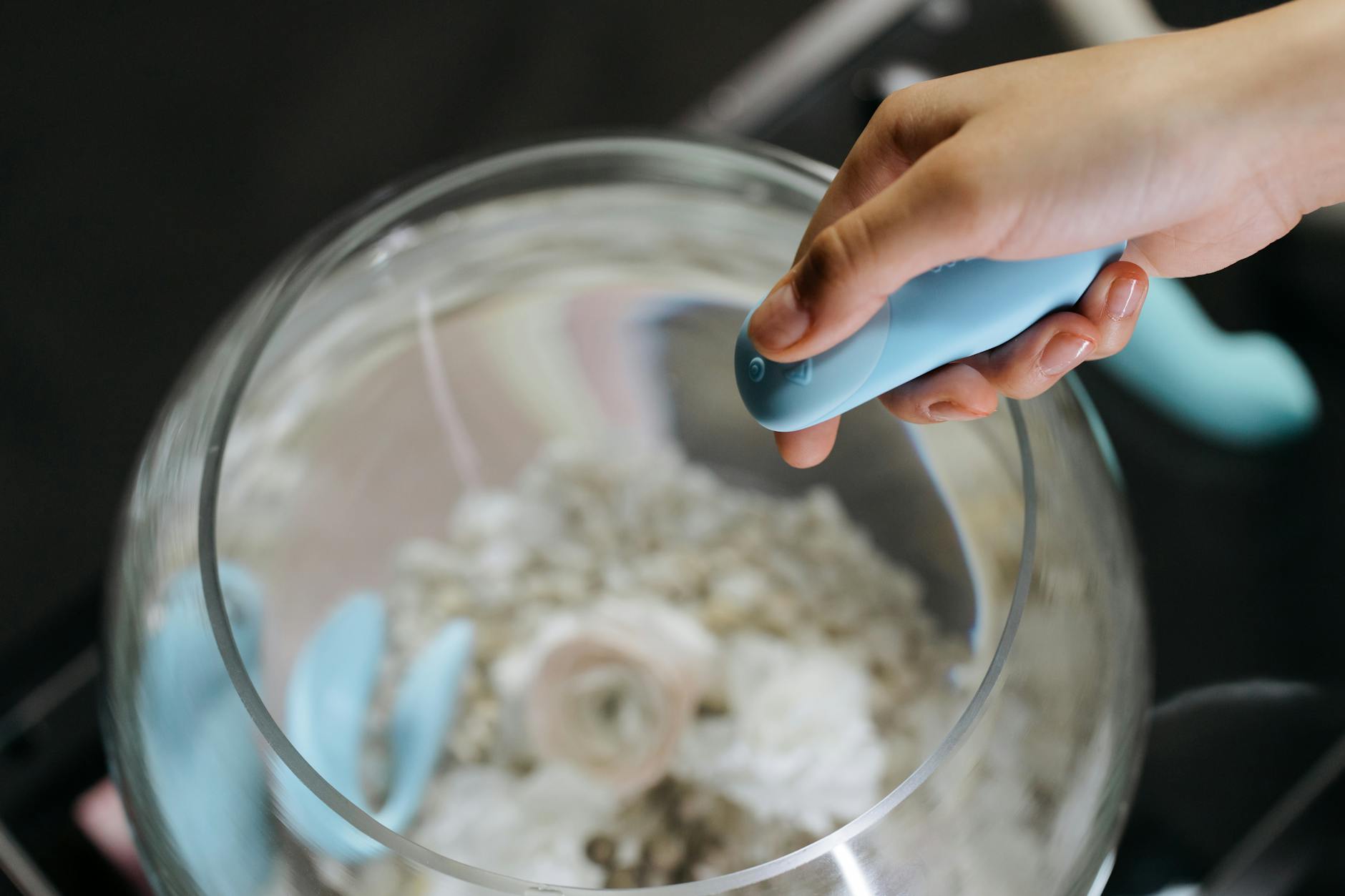
This is where a lemon vibrator becomes genuinely useful. The Lem's suction design doesn't require the same kind of pressure-and-friction response that traditional vibrators do. If your clitoris is hypersensitive during this window, suction stimulation can feel more comfortable and more controllable than a conventional lemon sexual toy. You're not dragging friction across tissue that's still waking up.
Why your lemon clitoral vibrator might feel weird at first
If you've used a Lem or another lemon suction toy before starting medication, reintroducing it means your body is meeting it with a completely different nervous system state. What felt good at full sensation might feel overwhelming at first.
Start on the lowest suction setting, even if you used higher settings before. Your body's sensitivity has shifted, and what felt right before is not your baseline anymore. Give yourself permission to ease back in.
Some people find that the Lem's pattern work (the rhythmic pulsing) is more accessible during this window than constant vibration. The pauses give your nervous system recovery points. The pulse gives you something to follow without overstimulation.
The role of arousal during the transition
Here's something they don't tell you: your brain's arousal system is part of what medication affects. Sexual sensation isn't just physical. It's neurological, hormonal, and psychological.
When you stop medication, genital sensation might return faster than your brain's ability to feel turned on. You might touch yourself and think, "I can feel this now," but not feel desire. That's not a sign of ongoing depression or that the medication broke something permanent. It's just the lag time between your body waking up and your mind catching up.
This gap often closes in six to eight weeks, but it's unsettling while you're in it. The fix is patience and the same foreplay you'd use with a partner who's learning their own body. Build slowly. Use a lemon vibrator as a tool, not a test. There's no pass or fail here.
When to bring a partner into this transition
If you're in a relationship, the return of sexual sensation is not a solo project. Your partner might have spent months or years accommodating flatlined desire. They might also be anxious about whether sex is going to feel good again, or whether you'll suddenly want something different.
Have the conversation early. Tell them: "My body is relearning this. It's going to feel weird for both of us for a while. I'm not trying to test myself or perform. I'm exploring what sensation feels like now." That takes pressure off both of you.
If you're using a lemon vibrator with a partner during this phase, let them watch without making it a performance. Sometimes the hottest thing is just being allowed to explore without judgment. Your partner gets to see your pleasure as it's actually happening, not as a production.
What if sensation doesn't come back as expected
For a small percentage of people, sexual side effects from antidepressants persist even after stopping the medication. This is called post-SSRI sexual dysfunction, and it's real, documented, and treatable.
If you're three months off medication and sensation still isn't returning, talk to your doctor or a sex therapist. There are interventions: switching medications if you're still taking something, sildenafil (Viagra) to increase blood flow, or—often surprisingly effective—working with a therapist who specializes in sexual function.
A lemon clitoral vibrator can help you stay in touch with your body during this process, but it's not a substitute for professional support if something more is going on.
The emotional piece that matters most
Here's what I tell my clients: antidepressants saved your life. The cost was your sexual sensation for a while. That was a fair trade. Coming off them doesn't erase that. You were depressed. You took medication. Now you're managing your mental health differently, and your body is catching up.
There's often shame bundled into this transition. Shame that you "lost" sexuality, shame that it's taking so long to come back, shame about needing tools like a lemon suction toy to feel anything. Burn that down. Your body survived something hard. Of course it needs time to wake up.
Self-pleasure, including with a device like the Lem, is part of that awakening. It's not a shortcut. It's evidence that you're reclaiming your own body.
FAQ: Using a lemon vibrator after stopping antidepressants
How long before I can have an orgasm again after stopping antidepressants?
For most people, the ability to orgasm returns within six to twelve weeks. Some feel it within two to three weeks. It depends on which medication you took, how long you took it, and your individual neurobiology. A lemon vibrator can help you track the return of sensitivity without pressure to perform.
Will a lemon vibrator feel too intense if my clitoris is hypersensitive?
Possibly at first. Start on the lowest suction setting. The Lem's rhythmic patterns are often gentler than constant vibration, so try those before cranking intensity. You're not testing yourself. You're learning what your body needs now.
Can I use a lemon clitoral vibrator while I'm still on antidepressants?
Absolutely. Some people find that the Lem helps them stay connected to their body even when medication is flattening sensation. If you're planning to stop medication, using a lemon suction toy beforehand can give you a baseline for comparison.
What if I'm back off medication and still can't orgasm with a vibrator?
Give it time. Three months is not "broken." Sexual response is one of the last systems to fully rebound. If you're nine months out and still struggling, talk to a doctor or a sex therapist who specializes in medication side effects. There are solutions.
Should I tell my partner I'm struggling with sensation again?
Yes. Soon. The longer you stay silent about it, the more it can become a barrier between you. Most partners would rather know what's happening than guess. A lemon vibrator can be part of that conversation: "I'm relearning my body. Want to explore this together?"
Is it normal to want different kinds of stimulation after stopping medication?
Completely. Your body has changed. Your nervous system has been through something. It's not surprising that what worked before medication might feel totally wrong now, or that you're curious about new sensations. That's not a sign that the old way was wrong. It's just your body telling you something.
The thing nobody says about getting your sexuality back
Your sexual self didn't die when you started medication. It went quiet. There's a difference. Quiet things wake up slowly, often with help. A lemon vibrator is part of that waking up. So is patience, so is honesty with yourself and your partner, and so is the understanding that this chapter of your body's story is not a failure. It's a transition. And transitions take time.