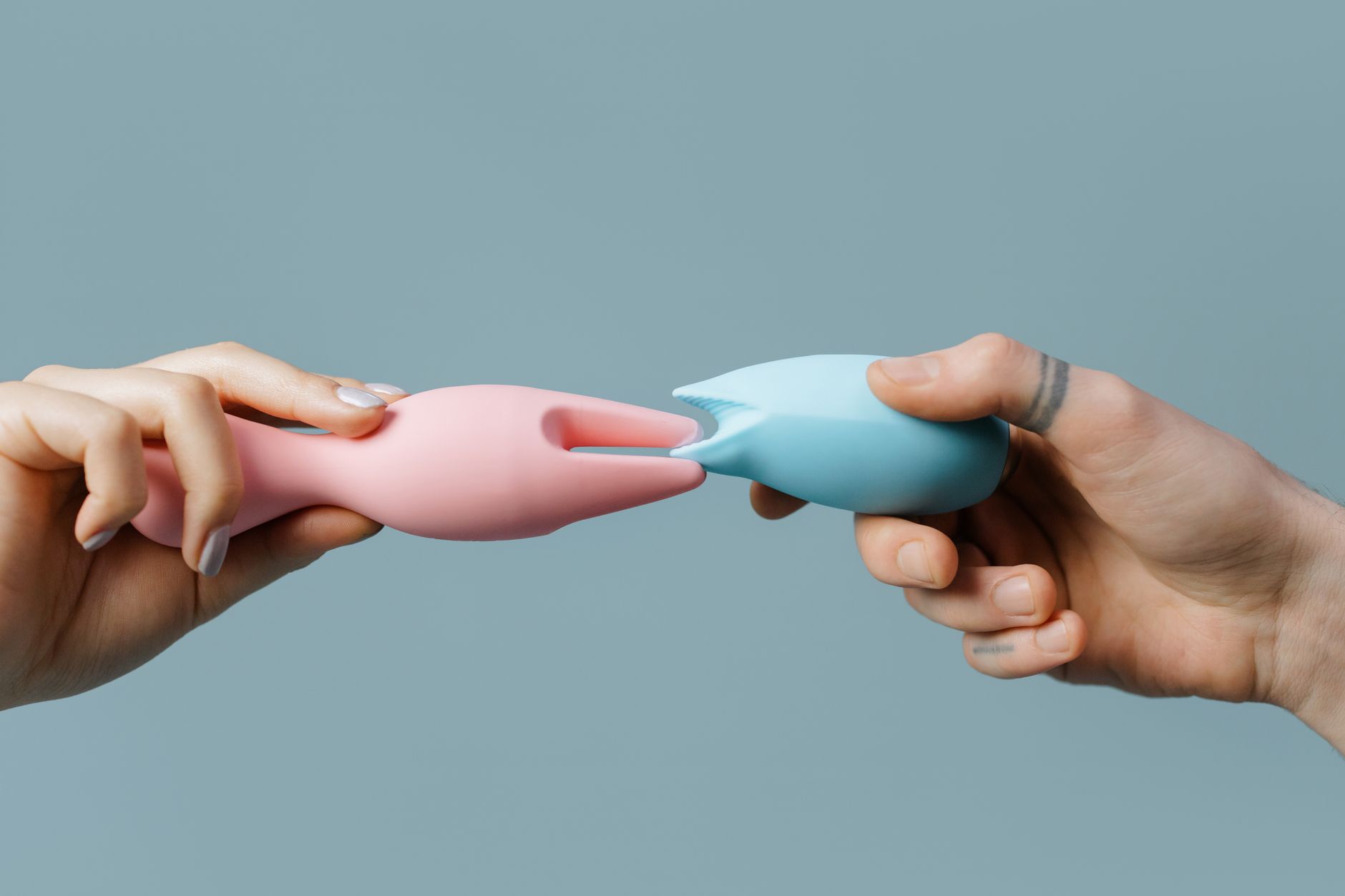
The medication-sensation disconnect nobody warns you about
Let's be real. Nobody sits down with you and says, "This antidepressant will help your anxiety, but your orgasms might feel like they're happening to someone else." Same goes for allergy meds, blood pressure drugs, and a dozen other medications that work brilliantly for what they're designed to do but quietly redistribute your capacity for pleasure.
You're not broken. Your brain chemistry shifted when your medication did, and that affects how your nervous system sends and receives pleasure signals. The good news: understanding this isn't just validating. It changes what you do about it.
Why medications numb sensation in the first place
Three main culprits. First, serotonin reuptake inhibitors (SSRIs and SNRIs) delay orgasm and sometimes flatten the intensity of sensation entirely by increasing serotonin availability in the brain. Your mood stabilizes. Your panic decreases. Your clitoral nerve endings suddenly require more sustained stimulation to fire.
Second, antihistamines dry out mucous membranes across your entire body, including genital tissue. Less natural lubrication means less friction awareness, which means your brain gets fewer signals about what's happening down there.
Third, medications that lower blood pressure reduce blood flow to genital tissues during arousal. Erections take longer, clitoral engorgement feels muted, and the entire chain reaction of physical response moves in slow motion. It's not laziness. It's physiology.
Beta-blockers, some hormonal birth controls, antipsychotics, and even certain antihistamines can all contribute to what clinicians call "sexual dysfunction," but what I call "my body stopped sending the signals I used to feel."
What air-suction technology does differently
Here's where lemon clitoral vibrators change the equation. Unlike vibration alone, which relies on speed and frequency to stimulate nerve endings, air-suction stimulation works differently. It creates a gentle pulse of pressure and release that mimics the sensation of oral sex without the direct friction that numb tissue sometimes can't register.
For someone on medication that has flattened sensation, this matters. Air-suction devices like the Lem activate a different neurological pathway than traditional vibration. They stimulate through pressure change rather than friction intensity. That means you can feel something happening even when vibration alone has stopped registering.
In clinical practice, patients on SSRIs report that suction-based stimulation often gets through in ways standard vibrators don't. It's not magic. It's just a different mechanism hitting different nerve clusters.
The reframing you need before you start
Here's what I tell clients who are navigating medication-related numbness. Your medication is doing its job. Your body is also doing its job, even though the output feels different. The goal isn't to "get back" to how things used to feel. The goal is to work with your current neurochemistry and find stimulation that matches it.
That reframing alone often restores pleasure that wasn't actually lost. It just relocated.
Some people find that adjusting the timing of when they take their medication helps. SSRIs work best when dosed consistently, but talking to your doctor about whether taking your dose at a different time of day affects sexual response can open a conversation. Others find that adding a second medication that specifically counters sexual side effects (like bupropion) helps restore sensation. That's absolutely worth discussing with a prescribing clinician.
But before medication adjustments, the tool-based approach often works first and doesn't require a prescription.
How to use lemon clitoral vibrators when sensation is muted
Start with the lowest suction setting. The whole point of using air-suction technology when medication has numbed you is that gentler pressure can still register when vibration at lower frequencies can't. Build up slowly.
Longer warm-up sessions matter more than usual. Budget 20 to 30 minutes instead of the 10 you might have needed before medication. Your nervous system isn't going to fire on the same schedule, and pushing harder only frustrates both of you.
Use extra lubrication. Yes, even though medication might have already reduced natural lubrication. Water-based lube on numb tissue helps create more friction feedback for your nerve endings to process. It's not replacing sensation you've lost. It's giving your remaining sensitivity more to work with.
Experiment with pattern. Many lemon clitoral vibrators offer customizable patterns or intensity ramps. If straight suction doesn't register, try a pulsing or escalating pattern. The rhythm change sometimes reaches sensation that steady stimulation misses.
Pay attention to arousal state first. You might discover that your arousal is actually intact but your orgasm response has shifted. Some people on SSRIs find they can get aroused normally but struggle to climax. Others find arousal is slower to build but orgasms, once they arrive, are just as intense. Knowing which applies to you changes everything about how you approach stimulation.
The partner conversation that needs to happen
If you're in a relationship, your partner probably noticed when your sexual response changed. They might have internalized it as rejection. You might have internalized it as failure. Both narratives are wrong.
The conversation to have is specific. "My medication changed how my body responds to stimulation" is a statement of fact. "I'd like to explore tools that work better with my current neurobiology" is a collaborative direction. That's different from "something's wrong with me" or "you're not doing it right anymore."
Many partners feel relieved when they understand that a change in sexual response is a side effect, not a reflection on attraction or the relationship. That relief often opens space for curiosity about what does work now.
When to see a clinician about medication side effects
If numbness has progressed to complete anorgasmia (the inability to orgasm at all) or if you're experiencing pain alongside the numbness, absolutely flag this with whoever prescribes your medication. Your doctor needs to know because there are real interventions. Some medications can be switched to alternatives in the same class with fewer sexual side effects. Some can be augmented with additional meds that specifically counteract sexual dysfunction.
Bupropion, for example, is often added to SSRIs specifically to restore sexual function. Buspirone can sometimes help with medication-related arousal delays. These aren't hacks. They're standard clinical approaches.
If switching medications isn't feasible, dosage adjustments sometimes help. Or timing adjustments. Talking to a sex-positive healthcare provider who takes this side effect seriously (and not all do) can unlock solutions that feel more sustainable than working around numbness long-term.
What else actually helps
Beyond medication timing and better tools, a few other things genuinely shift sensation after long-term medication changes. Reducing stress sometimes restores feeling your body ignored during high-anxiety periods. Regular exercise increases blood flow and can sometimes help with medication-related numbness. Good sleep helps your nervous system process sensation more clearly.
Mindfulness practices sometimes help you notice sensation that's actually there but that your attention has learned to skip over. Medication can numb you neurologically and also learned habits can numb you psychologically. Both need attention.
Most importantly: be patient with the process. Your body didn't lose sensation overnight. Reconnecting often takes weeks or months, not days. That's not failure. That's normal neurobiology.
FAQ on lemon clitoral vibrators and medication side effects
Can you use a lemon clitoral vibrator if you're on SSRIs?
Absolutely. In fact, many people on SSRIs find air-suction devices like lemon clitoral vibrators easier to feel than traditional vibrators. The mechanism is different enough that it often bypasses the numbness that affects standard vibration. Start on low settings and be patient with your timeline.
How long does it take to feel sensation return after starting a new medication routine?
It varies wildly. Some people notice improvement in weeks. Others take months. Much depends on the specific medication, the dose, how long you've been on it, and what your baseline sensitivity was before. If you're working with a provider on medication adjustments, they can give you a more specific timeline based on the change being made.
Does lubrication actually help if medication already reduces natural lubrication?
Yes, counterintuitively. When tissue is already dry from medication, adding a quality water-based lubricant creates more surface feedback for your remaining nerve endings to process. It's not a workaround for the numbness. It's amplifying the signals that are still trying to get through.
Can you switch sexual positions or techniques if medication affects sensation?
Definitely. Some positions create more friction or pressure feedback than others. Some angles of penetration feel more intense. Some focus on external stimulation instead. Exploring what creates the most sensation with your current neurobiology often helps more than trying to force the old approach to work.
Is it normal to feel frustrated about medication side effects during sex?
Completely normal. You're grieving a bodily capacity that shifted without your consent. That's real. Naming it and working through it, often with a partner or a therapist, matters. The frustration is valid even as you're simultaneously figuring out how to move forward with your current reality.
Do all lemon clitoral vibrators work the same way for medication-related numbness?
Not quite. Air-suction devices access different nerve pathways than standard vibration. If you've tried traditional vibrators on your medication and felt nothing, a Lem or similar air-suction vibrator is worth trying because it's activating sensation through a different mechanism entirely. That said, everyone's neurobiology is unique. What works for one person might feel different for another.
Your sexuality doesn't end when your medication changes. It just evolves. The right tools and the right information make that evolution feel like exploration instead of loss.