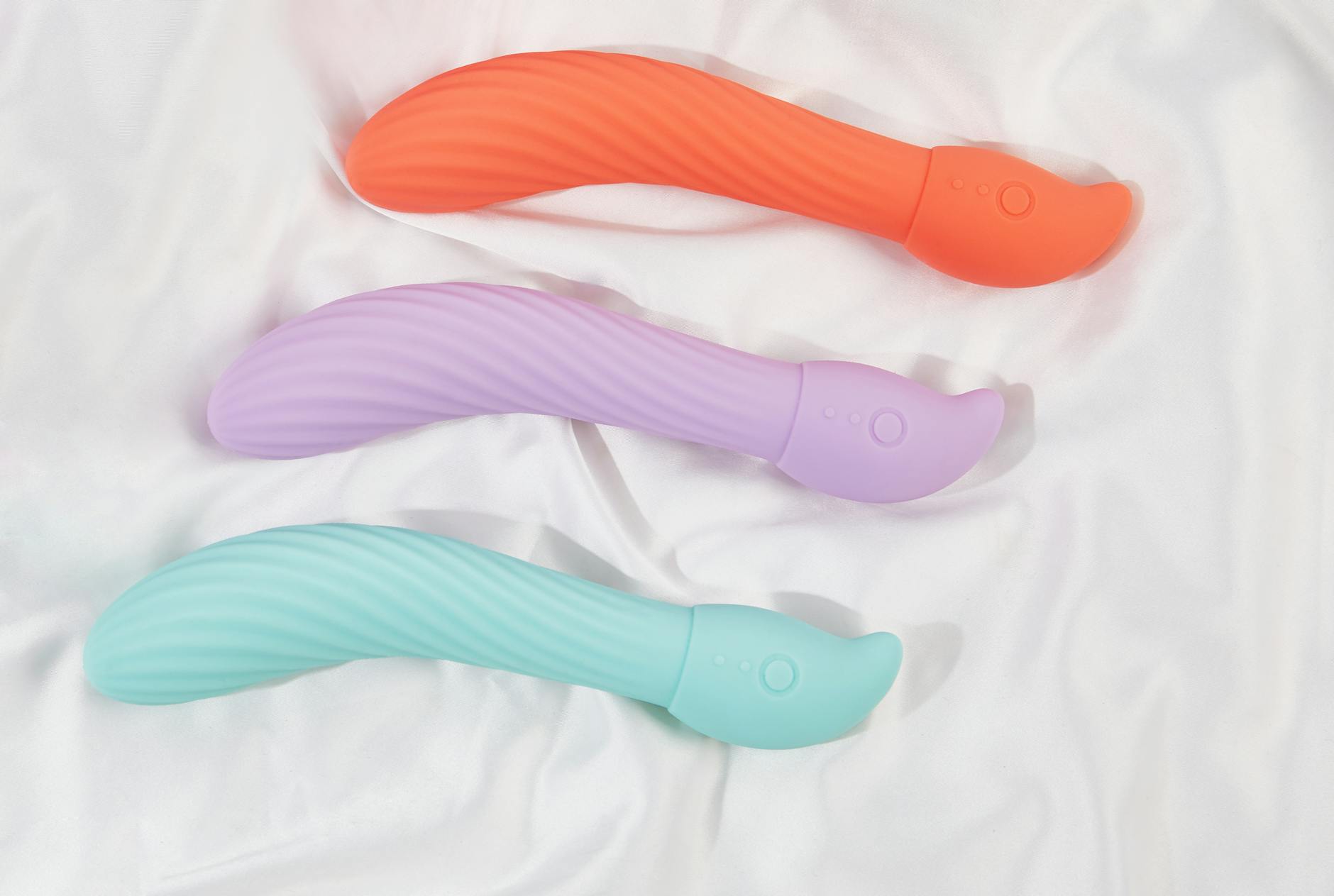
Does Lemon Vibrator Pressure Sensitivity Change With Age?
Let's start with the obvious part: yes, sensitivity changes. But not in the direction most people assume.
Your clitoris doesn't get less sensitive as you age. What shifts is the type of stimulation your body prefers, how quickly you build arousal, and how much direct pressure feels good versus overwhelming. Understanding the difference is the gap between thinking your lemon vibrator "stopped working" and realizing you just need to adjust how you're using it.
I've walked hundreds of people through this transition over the years, and the relief in their voices is always the same. Not because something broke, but because someone finally explained what was actually changing.
What aging does to clitoral sensitivity
Here's the straight science: the clitoris doesn't lose nerve endings as you get older. The 8,000 nerve fibers you were born with stay put. What changes is the surrounding tissue, blood flow patterns, and how your brain processes sensation.
Estrogen levels drop (not just at menopause, but gradually starting in your 30s). This thins the outer tissue of the vulva and clitoris, which means there's less cushioning between the nerve endings and direct stimulation. Counterintuitively, this can make the clitoris feel more sensitive to pressure, not less. Not in a good way. More in a "ouch, dial it back" way.
Blood flow to the genitals changes too. You need more time and more consistent stimulation to get the same level of engorgement and arousal. This is why people in their 40s, 50s, and beyond often report needing longer warm-up time but then experiencing wildly intense sensations once they get there.
The pelvic floor muscle changes as well. It gets tighter with age, especially if you're not actively working it. This affects how vibration travels through the tissue and how you experience pressure. Some people report that the same intensity setting that felt perfect at 35 feels almost painful at 55.
Why pressure tolerance shifts across decades
There's a reason your favorite lemon vibrator settings might need recalibration. It's not weakness or loss of capacity. It's biology being more specific about what it wants.
In your 20s and 30s, when estrogen is high and tissue is thick, direct pressure from suction devices feels amazing. The padding around the clitoral body absorbs some of that force, and the tissue can handle sustained intensity. Many people at this age are perfectly happy cranking a lemon vibrator to maximum suction and staying there.
By your 40s and beyond, that same maximum setting can feel sharp rather than satisfying. The tissue is thinner, the cushioning is reduced, and the stimulation path is more direct. What changes is not your capacity for pleasure, but your preference for how that pleasure arrives.
Hormonal fluctuations matter too. If you're in perimenopause or menopause, hormonal dips and spikes mean that pressure tolerance can literally vary day to day. A setting that felt perfect yesterday might feel too intense today. This is not you being broken. It's you being hormonally complex, which you've always been.
How to recalibrate your lemon clitoral vibrator as you age
The good news is that recalibration is simple. Most people don't need a new toy. They need a different approach to using the one they have.
Start lower. If you've been using a lemon vibrator on setting 4 or 5, try dropping back to setting 2 or 3. Spend actual time there—not 30 seconds, but 2 to 3 minutes. Let your body build arousal gradually. You'll often find that setting 2 at 5 minutes creates more pleasure than setting 5 at 30 seconds ever did.
Try different patterns. Many lemon adult toys have varying pulse and wave modes beyond simple intensity levels. Older bodies often respond better to patterns that vary—rhythmic pulses instead of constant pressure. Experiment with modes you might have skipped before.
Extend your warm-up. This is the most underrated change. Add 10 to 15 minutes of non-genital touching before you go for direct clitoral stimulation. The increased circulation and arousal time means the tissue is more engorged and can handle sensation more comfortably. This is not a limitation. It's foreplay, and it's one of the best things that can happen to your sex life.
Use lubricant strategically. Even if you're naturally lubricated, adding a water-based lubricant around the clitoris creates a glide layer that reduces direct friction pressure. This sounds minor but changes the entire experience. The lemon vibrator feels less sharp, more caressing.
Age-related shifts by decade
These aren't hard rules, but patterns I see repeatedly in conversations with clients and in the research.
20s and 30s: Most people tolerate maximum intensity well. The clitoral tissue is thick and well-cushioned. Arousal builds quickly. Recovery time is short.
40s: The shift often starts here. Some people notice that they prefer lower settings, or that the same setting needs a longer warm-up to feel good. Arousal still builds relatively quickly, but there's less tolerance for jumping straight to high intensity. Many people benefit from exploring the mid-range settings on their lemon vibrators for the first time.
50s and beyond: Pressure tolerance often shifts more noticeably. Lower to mid-range settings (1-3) become the preference for many people. Warm-up time extends further. But sensitivity to patterns and rhythm often increases, which means varied pulse modes can feel more pleasurable than constant suction ever did.
The outliers matter too. Some people are 60 and still prefer maximum intensity. Some are 35 and discover they like lower settings. Age is a guide, not a rule.
What doesn't change
Your capacity for orgasm doesn't age. The clitoris doesn't lose function. Pleasure doesn't have a best-before date.
What I want to be extremely clear about: shifting to a lower setting is not settling. It's not a compromise. For most people who make this adjustment, the orgasms are actually more intense, more full-body, and longer-lasting than they were at higher intensities when they were younger. The pleasure doesn't diminish. It relocates.
Many people report that once they stopped fighting their body's preferences and started working with them, sex became more satisfying in their 50s than it had been in their 30s. That's not nostalgia talking. That's what happens when you stop trying to do what you think you're supposed to do and start paying attention to what actually feels good.
When sensitivity changes signal something else
If you've had consistent pressure tolerance for years and suddenly everything feels painful, that's worth checking out. Pain during stimulation is different from preference shift, and it can signal a few things worth ruling out: vulvodynia, dermatological changes, infections, or sometimes hormonal imbalances that aren't just normal aging.
Similarly, if arousal has completely disappeared and you're not in an active life transition (new relationship, medication change, major stress), it's worth talking to a doctor. Low libido can be hormonal, but it can also be vascular, neurological, or relationship-based. A menopause-trained gynecologist or your GP can help sort that out.
For the vast majority of people, though, recalibrating intensity settings and extending warm-up time solves the issue completely.
The bigger picture
One of the best things about aging is that you stop tolerating what doesn't work. That applies to relationships, careers, and absolutely to how you approach your own pleasure.
Your 20-year-old self might have powered through discomfort because she didn't know better. Your current self has the advantage of knowing exactly what you want and having the authority to ask for it. That includes adjusting your lemon vibrator settings, extending foreplay, changing positions, or asking your partner to slow down. That's not compromise. That's expertise.
If you've been using a lemon clitoral vibrator the same way for years and it stopped feeling as good, the toy didn't break. Your body evolved. And the good news is that evolution usually comes with better pleasure, not less. You just have to be willing to adjust.
People Also Ask
Can I still use my lemon vibrator at high intensity as I get older?
Yes, absolutely. But you might not want to. Many people find that starting with longer warm-up time and lower settings creates more satisfaction than jumping straight to maximum intensity ever did. Think of it less as a limitation and more as discovering what your body actually prefers. If high intensity still feels good after extended arousal, go for it. But give the lower settings a real chance first. Most people are surprised by how much they enjoy them.
Does aging make you less sensitive down there, or is it just dryness?
It's both, but they're separate issues. Tissue gets thinner with age, which can feel like reduced cushioning around the clitoris. That's not reduced sensitivity—the nerve endings are still there. Dryness is separate and totally fixable with lubrication. Many people confuse the two and think they've lost sensitivity when really they just need different stimulation or more foreplay. Adding lubricant and adjusting intensity settings often completely changes the experience.
Why does my lemon suction vibrator hurt now when it didn't before?
Thinner tissue and less cushioning mean direct pressure can feel sharper. Try dropping the intensity setting by 2-3 levels and spending more time in warm-up. Extend the duration you spend at lower settings before moving up. Add a water-based lubricant around the clitoris. And if it continues to hurt, check with a gynecologist—pain is different from preference shift and deserves professional input.
Do I need a different lemon adult toy as I age?
Most people don't. The toys that work at 30 usually work at 50—you just adjust how you use them. That said, some people find that toys with more varied pulse patterns feel better as they age, because the variation is more stimulating than constant pressure. If you're curious about trying something new, that's fine. But many people get years more satisfaction by adjusting settings and warm-up time first.
How much longer should warm-up take as you get older?
Generally, add 10 to 15 minutes to whatever your baseline was. So if you used to spend 5 minutes on foreplay, aim for 15 to 20. This isn't a chore—it's part of the experience. Extended touch, kissing, and non-genital intimacy actually changes what your body can feel and want. Many people find this part becomes their favorite.
Is loss of sensitivity normal, or should I see a doctor?
Shifting preference for intensity is normal. Sharp pain, loss of arousal, or complete numbness is worth checking out. Talk to a menopause-trained gynecologist or your GP. They can rule out vulvodynia, hormonal imbalances, medication side effects, or skin conditions. Most of these are highly treatable once identified. Don't assume it's just aging without getting professional input.
Your pleasure doesn't have an expiration date. It evolves. And when you stop fighting that evolution and start exploring it, the results are often better than you expected. That's the part nobody tells you about getting older. They should.