Does Lemon Suction Feel Different if You Have Pelvic Floor Dysfunction
Tight pelvic floor muscles change how clitoral vibrators feel. Here's what actually happens, why suction toys can be easier, and how to use your lemon vibrator without pain.
If you've been told you have pelvic floor dysfunction, or you suspect you do, using a lemon vibrator probably feels different than it does for someone without it. Not worse, not unfixable, just different. The good news is that suction-based clitoral vibrators like the lemon can actually work better than traditional vibrators if you understand what's happening in your body and how to approach it.
Pelvic floor dysfunction is wildly common and rarely discussed until someone's already frustrated. About one in three women experience it at some point, and many don't even know that's what they're dealing with. If pleasure has gotten harder, or if you feel tension, pressure, or pain with certain types of touch, your pelvic floor is probably trying to tell you something.
Your pelvic floor is a group of muscles that support your bladder, bowel, and uterus. When they're working well, they contract and relax on cue. When dysfunction shows up, those muscles either can't relax fully (hypertonic, or tight), can't contract fully (hypotonic, or weak), or both in different spots. The tension kind is way more common, especially in people who've experienced trauma, chronic stress, or who spend all day sitting.
When those muscles stay partially contracted, everything feels tighter. Your vaginal opening feels narrower. The tissue around your clitoris feels more sensitive, sometimes in a good way, but often in a way that makes direct pressure uncomfortable. Orgasms, if they happen at all, might feel blunted or hard to reach.
Here's the thing most doctors don't explain: pelvic floor dysfunction isn't a sexual problem. It's a muscular problem that shows up during sex. Big difference.
Traditional vibrators, especially wand-style ones, deliver stimulation through rapid vibration and usually require firm pressure against the clitoris. If your pelvic floor is already tense, pressing anything firmly against your vulva can trigger more tension. It's like pushing on a knot in your shoulder. The muscle contracts harder.
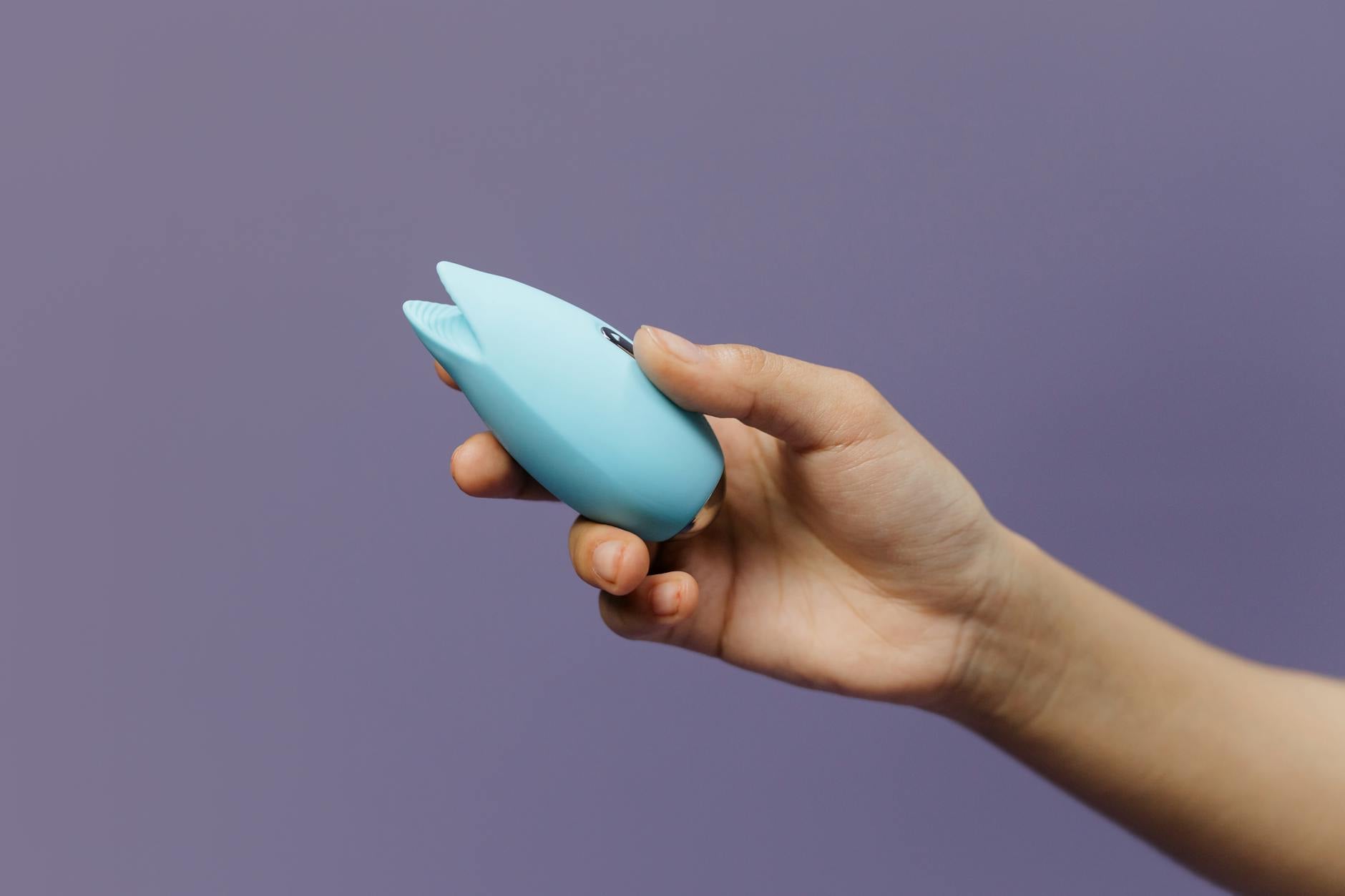
Suction-based clitoral vibrators like the lemon work with a different mechanism. Instead of vibrating against your clitoris, they gently draw the clitoral hood and surrounding tissue into a small chamber, then release and repeat. That pulling sensation is gentler on tight tissue, and it doesn't require you to press the toy hard against yourself to feel it.
Many of my clients with pelvic floor tension find that suction feels less triggering than vibration alone. The lemon's pattern options let you start with slower, gentler rhythms. You're not fighting your body to make it work. You're working with it.
First, arousal takes longer. Your pelvic floor can't relax into the arousal response, so your body stays in sympathetic mode (fight or flight) longer. Your clitoris doesn't swell as much, and lubrication is slower. This is frustrating, but it's not a sign that something's wrong with your desire. It's mechanics.
Second, sensation changes. Some people describe it as numbness or disconnection from feeling. Others say certain touches that should feel good instead feel irritating or sharp. This is because the tight muscles are compressing nerves and limiting blood flow. The sensation is there. The pathway to experience it is just congested.
Third, the thing that feels good shifts. What worked last month might not work this month. That's not you being broken. That's your nervous system trying to communicate. Learning to listen to that, and adapting, is the actual skill.
Start with the lowest settings. I'm talking pattern 1 or 2, if your lemon has them. The point isn't to chase intensity. It's to let your body remember what it feels like to experience pleasure without your muscles clenching in defense.
Don't press the toy against yourself. Hold it with medium contact and let the suction do the work. Your instinct will be to push or grind. Resist that. When we have pelvic floor tension, we often unconsciously grip tighter when we're chasing sensation. You're retraining your nervous system to relax, not to grip harder.
Take 20 to 30 minutes if you need to. Rushed sessions are usually tense sessions. Your pelvic floor responds to time and patience, not effort.
Pause if you feel shooting pain, sharp sensation, or intense cramping. That's your signal to stop. Numbness or mild discomfort as you warm up is normal. Pain is not.
Your pelvic floor is wired directly into your nervous system. When you're anxious, it tightens. When you're relaxed, it releases. This means using a clitoral vibrator while stressed, rushed, or in a weird headspace will absolutely make it feel worse.
Breathe. Sounds obvious. It's not. Most people with pelvic floor dysfunction hold their breath without noticing. In the few minutes before you use your lemon vibrator, spend time breathing into your belly. In for four counts, hold for four, out for four. Your pelvic floor will relax more if your nervous system is offline.
Mental state matters too. If you're thinking "this should work" or "why isn't this working," you're tensing. Try instead to approach it with curiosity. What does this feel like right now. Not what should it feel like.
If pelvic floor tension is severe, or if you're experiencing pain, a pelvic floor physical therapist can change everything. These specialists can identify which parts of your pelvic floor are overactive and teach you release techniques. The work is usually internal (they use their fingers inside your vagina to release muscle knots), and it sounds invasive. It's not. It's genuinely helpful.
A good pelvic floor PT will also give you exercises. Not kegels. Kegels usually make hypertonic pelvic floor worse because they further contract already-tight muscles. Instead, they teach relaxation work, stretching, and sometimes trigger point release.
If you're not ready for a PT, a therapist trained in sex-positive work can help you navigate the emotional side. Pelvic floor dysfunction often comes with shame, frustration, and complicated feelings about your body. Getting space to talk through that matters.
Using a lemon vibrator with pelvic floor dysfunction is entirely doable. Thousands of people do it every day. The key is patience with yourself, understanding that this is about your nervous system and muscles, not your capacity for pleasure. Your best orgasms might be ahead of you, not behind you, once your pelvic floor has a chance to relax.
No. Difficult, delayed, or different textured, yes. Impossible, no. Your nervous system and clitoris still work. The pathway might be more congested, but it's not blocked. With time, patience, and sometimes professional support, most people regain access to orgasm. The lemon works because it doesn't require the kind of intense pressure that tight muscles find threatening.
Often, yes. Pelvic floor physical therapy has solid evidence behind it, especially for hypertonic (tight) pelvic floor. You're not curing a disease. You're retraining muscles that got stuck in a pattern. That takes time, usually 6 to 12 weeks, but many people feel real improvement within two to three sessions.
Ask your PT specifically, but usually yes. Your PT can actually use your experience with the toy to guide your progress. They might suggest certain patterns or settings, or they might suggest taking a break while you're learning release techniques. Either way, you're not barred from using it.
Your pelvic floor tension fluctuates. Stress, your menstrual cycle, how much sleep you got, and what you ate all influence it. That's not the toy changing. That's your body communicating. On high-tension days, slower patterns and longer warm-up time help. On low-tension days, you might feel intensity earlier.
Yes. Suction draws tissue in and out gently. It doesn't require firm pressure. Traditional vibrators rely on rapid movement against your body, which can trigger more tension if your pelvic floor is already tight. Suction toys like the lemon are usually easier, but individual response varies. Some people love both once their pelvic floor calms down.
Stop using it for a while and focus on relaxation work instead. Stretching, breathing practice, and pelvic floor PT should come first. Once your tension settles, reintroduce your lemon vibrator at the lowest settings. If it keeps triggering tension, a PT can help you figure out what's happening. Sometimes it's not the toy. It's how your nervous system is interpreting the sensation.