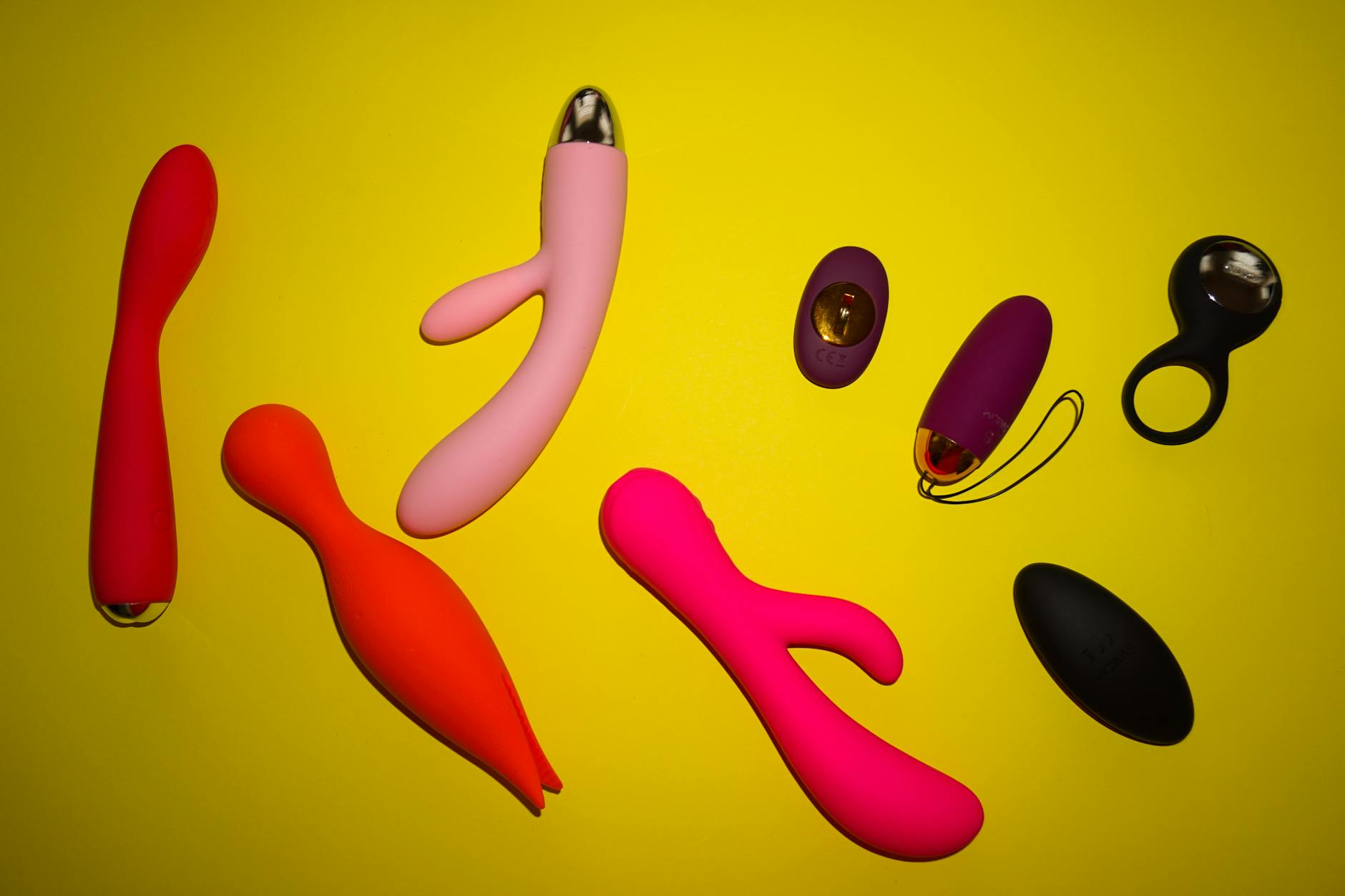
Here's the honest comparison
A lemon vibrator and a traditional vibrator aren't competing for the same job. That's the first thing to understand. A conventional vibrator (bullet, wand, rabbit) uses oscillating movement to stimulate nerve endings through direct friction. A lemon clitoral vibrator uses air-pulse suction technology, which creates rhythmic pressure changes instead of physical vibration. They're fundamentally different technologies applied to the same body part, which means the experience is genuinely different too.
The question isn't really "which one works better." It's "which mechanism suits my nervous system and what I'm looking for right now."
How suction-based stimulation actually works
When you use a lemon vibrator, air pulses create a gentle rhythmic suction around the clitoris. This stimulates the thousands of nerve endings in that area without the direct pressure and friction that traditional vibrators rely on. Think of it less like buzzing and more like pulsing.
Medically, this matters because suction technology:
- Distributes pressure more evenly. Instead of concentrating intensity on one focal point, air pulses engage a wider sensory zone. This feels completely different on your skin.
- Allows for longer sessions without numbness. Many people find that traditional vibrators can desensitize the area after 15-20 minutes because of sustained direct friction. Suction stimulation tends to keep sensation fresher longer because it's not relying on mechanical abrasion.
- Works without requiring firm contact. A traditional vibrator needs to stay pressed against you to work. A lemon vibrator creates sensation through the seal itself, so lighter contact still delivers full intensity.
This last point is huge if you have sensitive tissue, if you're recovering from childbirth, or if you're in a phase of your cycle where direct pressure feels overwhelming.
Who typically prefers lemon vibrators over traditional toys
I've noticed clear patterns in what bodies respond better to suction versus traditional vibration.
You might prefer a lemon vibrator if: You find traditional vibrators too intense or numbing. You have sensitive skin or tissue that gets irritated by sustained friction. You're exploring after a long time away from pleasure. You want sensation that feels more like stimulation and less like a mechanical buzz. You're drawn to toys that feel intuitive to use without a learning curve.
Traditional vibrators might feel better if: You want more concentrated intensity in one specific spot. You prefer deeper, faster vibration. You like having multiple vibration patterns to cycle through. You want something that works well through clothing or during partnered play. You've been using vibrators for years and your nervous system responds to that familiar sensation.
Honestly though, plenty of people use both. Different moods, different times of your cycle, different contexts. Your pleasure isn't locked into one category.
The sensation difference, in real terms
Here's what people actually report when they switch from a traditional vibrator to a lemon clitoral vibrator:
The first thing most notice is that suction feels different the moment you use it. There's no ramp-up to get used to it the way some vibrators require. With a lemon vibrator, you apply it and the sensation is immediately recognizable. It builds naturally from there.
The second thing is that the orgasm often feels different. With traditional vibrators, people often describe a building, peaked experience. With suction, many report orgasms that feel more diffuse, sometimes longer-lasting, sometimes arriving more suddenly. Neither is better. They're just distinct sensations.
Third, and this matters practically: suction toys are quieter. If discretion or noise matters to you, a lemon vibrator wins decisively. Traditional vibrators often create a persistent buzzing sound that carries through walls. Suction technology is nearly silent.
Fourth: battery life and charging. Most traditional vibrators run through batteries faster because they're powering continuous mechanical movement. Suction-based tools like lemon adult toys often have better battery efficiency because the motors work differently.
When traditional vibrators still have the edge
I'm not here to sell you on suction as universally superior. It isn't.
Traditional vibrators have been refined over decades. The variety of vibration patterns, intensities, and designs means you can find something that fits your body and preferences with surgical precision. A good wand vibrator, for instance, offers adjustable power that some people genuinely can't replicate with suction.
Traditional vibrators also work well through clothing and in water in ways that suction technology doesn't always match. If you like versatility across contexts, a conventional vibrator might serve you better.
And there's genuine pleasure in familiarity. If you've spent years with a vibrator that works, switching isn't necessary. Adding a lemon vibrator to your collection is different from replacing what works.
You might also prefer traditional vibration if you're exploring after something like <a href="/blog/how-to-use-lemon-vibrators-when-you-feel-numb-after-birth-control-changes">numbness from hormonal changes</a>, because the stronger sensation can feel more grounding initially.
The real science: what research shows
Studies on air-pulse versus vibration technology are still emerging, but what we know is interesting.
Research on suction-based devices shows activation patterns in the brain that differ from traditional vibrators. Both create pleasure and orgasm. Both stimulate the clitoral nerves. The pathways light up differently though, suggesting the nervous system processes these two stimulus types as genuinely distinct experiences.
One study comparing user satisfaction between suction and vibration found that satisfaction was high for both, but preference was highly individual. Roughly 40% preferred suction, 35% preferred traditional vibration, and 25% genuinely liked both equally depending on context. So no clear winner. Just different.
What's consistent across the research: people report higher satisfaction when the toy matches their specific needs rather than choosing based on what's popular. A lemon vibrator won't be "better" than your preferred traditional vibrator unless suction actually suits your body better.
How to know which to try first
If you're caught between a lemon clitoral vibrator and a traditional option, here's how to think about it.
Start with the sensation you're most curious about. If you're drawn to the idea of gentler, broader stimulation, suction is worth exploring. If you want immediate, focused intensity, traditional usually delivers that more directly.
Consider your recent experience. If traditional vibrators have felt too numb or too intense, a lemon vibrator offers a genuine departure. If you've never tried either, both are perfectly valid entry points.
Think about context. Do you want something mostly for solo pleasure, or partnered play too? Do noise and discretion matter? These practical factors often matter more than the theoretical superiority of one technology.
Honestly, the best approach is trying both if you can. I know that's not always realistic financially. But if you're going to invest in your pleasure, knowing what actually feels good to your specific body beats guessing.
Why lemon vibrators are gaining ground
The reason lemon adult toys are becoming more common isn't marketing hype. It's because suction technology solved real problems that traditional vibrators didn't address well.
For people with sensitive tissue. For those recovering from medical events. For anyone whose nervous system finds sustained vibration numbing. For people who want quiet pleasure. For those exploring after a long gap.
These aren't niche situations. They're real contexts where conventional vibrators leave room for something different to exist.
A lemon sucker delivers that alternative in a way that feels thoughtful, not like a gimmick.
FAQ: Common questions about suction versus traditional vibrators
How is a lemon vibrator different from a traditional vibrator in terms of nerve stimulation?
Traditional vibrators stimulate through mechanical oscillation—rapid back-and-forth movement that creates friction against nerve endings. A lemon clitoral vibrator uses air pulses to create rhythmic pressure changes. Neurologically, both activate the clitoral nerves, but through different pathways. The suction approach tends to engage a broader sensory zone, while traditional vibration concentrates intensity in the direct contact area. Your brain processes these as distinct sensations, which is why the experience feels meaningfully different even though the end result (pleasure, orgasm) is the same.
Can you use a lemon vibrator if you have a pacemaker or implanted device?
This is a medical question worth discussing with your doctor, but most air-pulse lemon adult toys are considered safe around implanted devices because they don't generate electromagnetic fields the way some electric vibrators do. That said, every device and every person's medical situation is different. If you have a pacemaker or similar implant, ask your healthcare provider directly about suction-based toys specifically. Don't assume.
Do lemon vibrators work if you have low sensation or numbness?
Sometimes yes, sometimes no. If numbness is from medication, hormonal changes, or temporary causes, suction stimulation's broader pressure distribution often feels different enough to register as pleasant sensation again. If numbness is from long-term vibrator use causing temporary desensitization, taking a break and then switching to a lemon vibrator can help reset sensitivity. But if numbness is from nerve damage or certain neurological conditions, the vibrator type matters less than working with a healthcare provider. My article on <a href="/blog/how-to-use-a-lemon-vibrator-when-you-struggle-with-delayed-arousal">managing delayed arousal</a> has strategies beyond just toy choice.
Are lemon vibrators quieter than traditional vibrators?
Yes, significantly. Traditional vibrators produce an audible hum or buzz because they're powering mechanical vibration continuously. Suction-based lemon vibrators operate almost silently because air pulses don't create the same acoustic signature. If discretion, sound sensitivity, or bedroom privacy matters to you, this is an actual advantage worth considering.
Do lemon clitoral vibrators work for everyone, or are some people just not responsive to suction?
Like any tool, responsiveness varies. Most people can feel suction stimulation immediately—it's a distinct sensation that doesn't require special training. But whether you enjoy it or prefer traditional vibration is genuinely individual. Some nervous systems just respond more strongly to direct mechanical vibration. Others find suction more pleasurable. Neither response is wrong. If you try a lemon vibrator and it doesn't work for you, that's real feedback, not a failure on your part.
If I already have a vibrator I love, do I need to add a lemon vibrator to my collection?
No. If your current vibrator delivers the pleasure and sensation you want, there's no obligation to buy something else. Adding a lemon vibrator makes sense if you're curious about a different sensation, if your current toy isn't meeting all your needs, or if you want versatility for different moods or body states. But pleasure isn't about collecting every tool. It's about using what actually works.
The bottom line
A lemon vibrator doesn't work "better" than traditional vibrators in any absolute sense. It works differently. For some bodies, in certain contexts, that difference is exactly what makes pleasure better. For others, a conventional vibrator remains the perfect choice.
The real upgrade isn't picking one technology over another. It's knowing your own body well enough to choose based on what actually feels good to you, not what's popular or what someone else recommended.
Curious about trying suction stimulation? Start there. Already happy with what you use? Stay there. Your pleasure isn't a competition between technologies. It's about what works for you.